
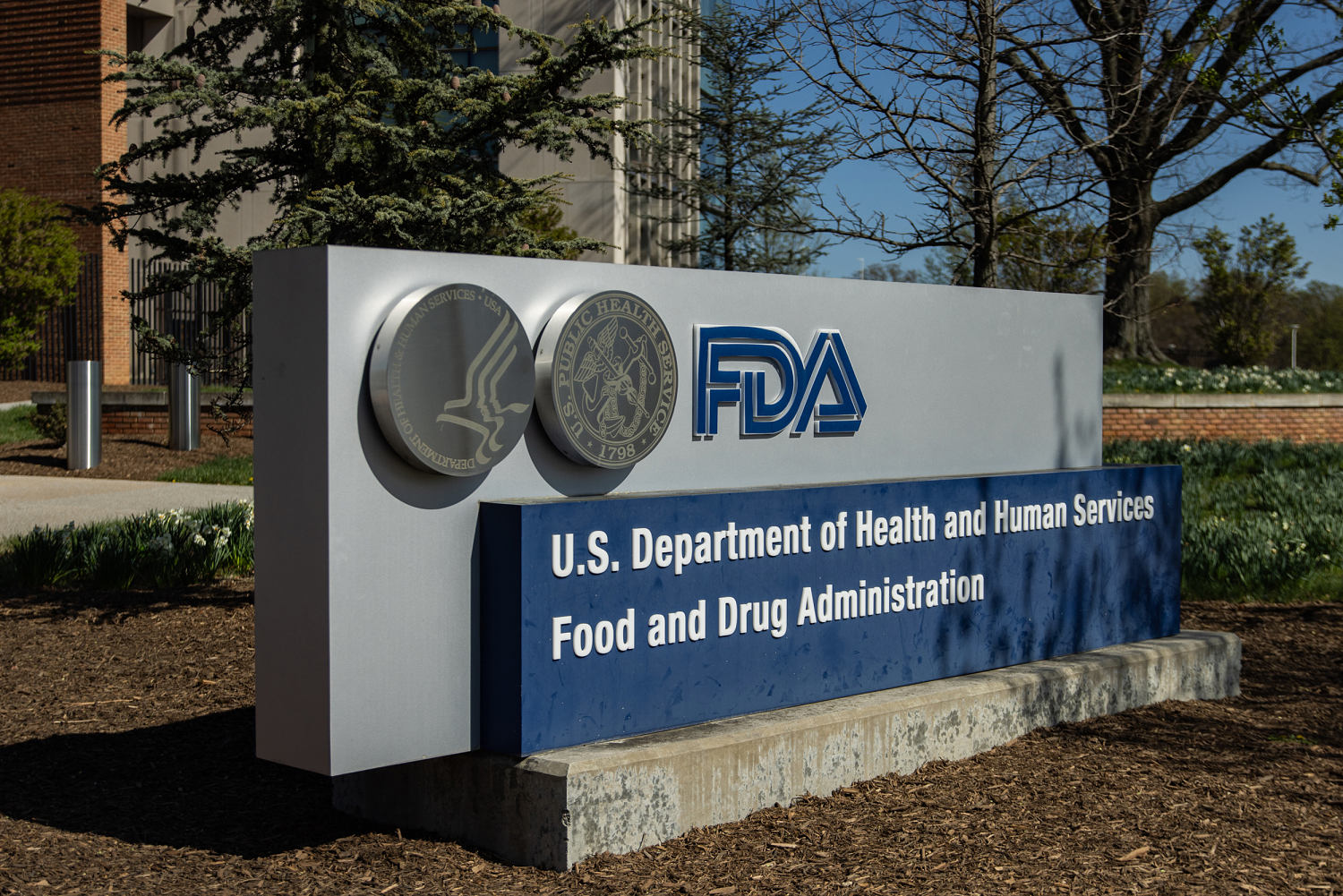
A critical division within the U.S. Food and Drug Administration (FDA) is facing a significant leadership void as Dr. Tracy Beth Høeg, the top regulator for over-the-counter and prescription drugs, prepares to depart. This announcement, confirmed by a Department of Health and Human Services (HHS) official, sends fresh ripples through an agency already navigating a major shakeup, coming just days after the resignation of the FDA's acting chief.
Dr. Høeg's role as head of the FDA division responsible for the vast array of drugs Americans rely on daily places her at the heart of critical decisions impacting public health, pharmaceutical innovation, and drug accessibility. Her departure, especially in rapid succession to other high-profile exits, raises questions about the agency's stability, its regulatory future, and potential implications for everything from new drug approvals to the safety oversight of medications currently on pharmacy shelves across the nation.
A Critical Juncture for the FDA
The FDA, a cornerstone of American public health, is an independent federal agency tasked with protecting public health by ensuring the safety, efficacy, and security of human and veterinary drugs, biological products, and medical devices; and by ensuring the safety of our nation’s food supply, cosmetics, and products that emit radiation. The Office of New Drugs (OND), which Dr. Høeg led, is arguably one of its most visible and impactful divisions. It's responsible for the scientific review of new drug applications, ensuring that medications meet rigorous standards before they reach patients. This includes everything from groundbreaking cancer treatments to everyday allergy pills.
The timing of Dr. Høeg’s exit is particularly noteworthy. It follows closely on the heels of the departure of the FDA’s acting chief, an individual whose leadership sets the tone and strategic direction for the entire agency. Such a rapid succession of high-level resignations creates a vacuum at the top, potentially slowing down key initiatives and raising concerns about continuity in regulatory oversight. For the average American, this could manifest in various ways, from the pace of new drug development to the agency's responsiveness in public health crises.
The Impact on Americans and the Health Landscape
The immediate implication of a leadership change in the OND is the potential for a period of transition as a new leader steps in. This could affect the speed and efficiency of drug approvals, which are already under intense public and industry scrutiny. Pharmaceutical companies, for example, rely on a clear and consistent regulatory environment to plan their research and development investments. Any perceived instability could introduce uncertainty into this multi-billion-dollar industry, potentially impacting the pipeline of innovative new treatments.
Beyond industry, the broader American public has a vested interest in a stable and robust FDA. Experts in public health are weighing in, emphasizing the need for swift and competent leadership. Dr. Eleanor Vance, a former FDA official and now a health policy analyst at a leading think tank, commented, "The FDA’s role is far too critical to allow for prolonged leadership gaps. The OND, in particular, touches nearly every aspect of American healthcare. We need strong, experienced leaders at the helm to navigate the complex challenges of drug development, pricing, and safety."
The current landscape includes ongoing debates about drug affordability, the rapid pace of scientific advancement, and the need for robust post-market surveillance of approved drugs. A new leader will inherit these challenges, alongside the continuing pressures of managing a large, complex federal agency and responding to unforeseen public health emergencies.
Looking Ahead: Stability and Future Direction
The Department of Health and Human Services will now be tasked with identifying a successor for Dr. Høeg’s critical role, a process that can be lengthy and subject to political considerations. The selection of a new head for the OND will be closely watched by pharmaceutical companies, patient advocacy groups, and the public alike. The individual chosen will need a deep understanding of pharmaceutical science, regulatory policy, and public health, coupled with the leadership acumen to guide a large team of scientists and reviewers.
In the interim, career civil servants within the FDA will likely maintain the day-to-day operations, ensuring that critical functions continue without interruption. However, strategic decisions and long-term planning may face delays until permanent leadership is in place. The broader challenge for the FDA will be to reassure stakeholders and the American public that it remains steadfast in its mission to protect and promote public health, even amidst significant internal transitions.
As the FDA navigates this period of flux, the focus will remain on the agency's ability to maintain its rigorous standards and continue its vital work. The departures of key figures underscore the high-pressure environment within federal health agencies and the immense responsibility placed on their leaders. Moving forward, the appointment of experienced and effective leadership will be paramount to ensuring the FDA can continue to serve its essential role in safeguarding the health of all Americans.



💬 Comments (0)
No comments yet. Be the first to share your thoughts!
Leave a Comment