
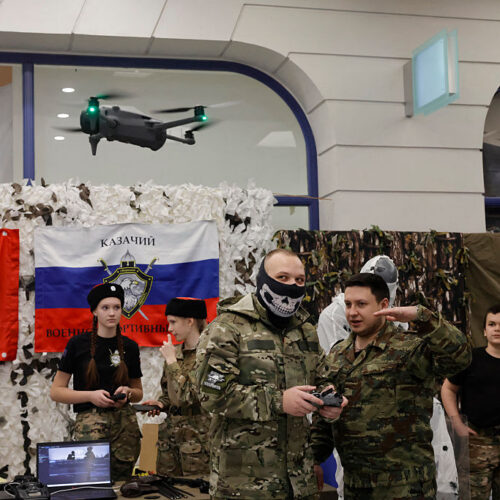
In a deeply concerning development for global stability and a stark reminder of the human cost of conflict, Russian universities are actively recruiting students to serve as wartime drone pilots, dangling attractive incentives like free tuition, substantial financial bonuses, and even land. This aggressive push aims to leverage a generation with technical acumen, particularly gamers and those skilled in electronics, for the ongoing conflict in Ukraine. However, despite promises of avoiding frontline combat, reports of student drone pilot casualties are already emerging, exposing the harsh realities behind these recruitment drives and raising significant alarm bells for the future of Russia’s workforce and the broader geopolitical landscape.
The allure for these young Russians is clear: pamphlets distributed at institutions like Bauman Moscow State Technical University promise up to $70,000 for a year of service, alongside loan forgiveness and tax holidays. The independent magazine Groza reports that at least 270 Russian academic institutions are promoting military contracts to their students, a staggering figure highlighting the scale of this new recruitment strategy. This effort is particularly targeting an estimated 2 million male university students, appealing to those with expertise in drone operation, model aircraft, electronics, radio engineering, and desirable computer skills, as reported by NBC News.
The Lure and the Lie: Promises of Safety vs. Battlefield Reality
The primary selling point of these recruitment campaigns is the promise that drone piloting offers a safer alternative to direct infantry assaults. Recruits are told they can contribute to the war effort without the immediate dangers of trench warfare. However, this assurance is proving to be a dangerous illusion. The commander of Ukraine's Unmanned Systems Force has described a 'kill zone' extending up to 25 kilometers from the front lines, a perilous area constantly under surveillance and threat from drone strikes and artillery fire. This means that even seemingly 'remote' drone operations place individuals squarely in harm's way.
Tragically, these dangers are already being realized. The BBC News' Russian-language service identified 23-year-old Valery Averin as the first confirmed fatality among the new wave of Russian student drone operators. Averin's adoptive mother was informed of his death in a mortar attack near Russian-occupied Luhansk in eastern Ukraine on April 6. This single confirmed death, with the potential for more, shatters the narrative of safety and underscores the brutal realities of modern warfare, where technology offers no impenetrable shield.
Echoes of Ukraine's Success, But at What Cost?
Russia's ambitious goal is to field 168,000 drone operators by the end of 2026, an objective that mirrors Ukraine's highly successful Unmanned Systems Force, which became the world's first standalone military branch focused on drones in June 2024. Ukraine's innovative use of drones has been a game-changer, providing crucial intelligence, targeting capabilities, and an asymmetric advantage against a larger conventional force. Russia is clearly attempting to replicate this success, recognizing the pivotal role drones play in contemporary conflict.
However, the manner of Russia's recruitment raises serious ethical and long-term economic questions. While Ukraine has built its drone force through a combination of volunteerism and strategic military integration, Russia is leveraging financial incentives and the promise of averted frontline combat to draw its youth into a war many seem unenthusiastic about. As one student, Andrey, told NBC News, "No one wants to join. No one is interested." This sentiment points to a potential disconnect between the state's military objectives and the aspirations of its educated youth.
Implications for America and the Future of Tech Warfare
For Americans, this development underscores several critical points. Firstly, it highlights the escalating role of technology, specifically drones, in modern warfare. The conflict in Ukraine serves as a real-time laboratory, demonstrating how inexpensive, commercially available drones, when integrated with military strategy, can significantly alter battlefields. This has direct implications for US defense planning and technological investment, emphasizing the need for continued innovation in unmanned systems and countermeasures.
Secondly, Russia's recruitment strategy, by targeting its university students, carries the significant risk of exacerbating its already severe 'brain drain.' A study found that 24 percent of top Russian software developers on GitHub may have left the country within the first year of the war. Forcing or incentivizing technically skilled students into military service, even as drone operators, could further deplete the pool of educated talent vital for Russia's future economic development and technological competitiveness. This long-term weakening of Russia's human capital could have ripple effects on global markets and innovation.
Finally, the ethical dimension of recruiting students under potentially misleading promises of safety is a stark reminder of the moral complexities of warfare. It raises questions about informed consent and the state's responsibility to its citizens, particularly its youth. As the conflict grinds on, the international community will be watching closely to see how these student recruits fare and what further implications this strategy has for Russia's internal stability and its standing on the global stage.
A Future Shaped by Drones and Desperation
Russia's aggressive recruitment of university students into its drone program represents a desperate attempt to gain a technological edge and compensate for manpower losses, mirroring Ukraine's successful drone integration. Yet, this strategy is fraught with peril. The emerging reports of student fatalities directly contradict the assurances of safety, exposing the brutal realities of modern combat. As Russia pours its young, educated talent into the war effort, the long-term consequences for its future workforce and technological development remain profoundly uncertain. For the United States and its allies, this situation reinforces the urgent need to understand and counter the evolving nature of drone warfare, while closely monitoring the social and economic stability of a major global power that appears increasingly willing to sacrifice its youth for military objectives.


💬 Comments (0)
No comments yet. Be the first to share your thoughts!
Leave a Comment