
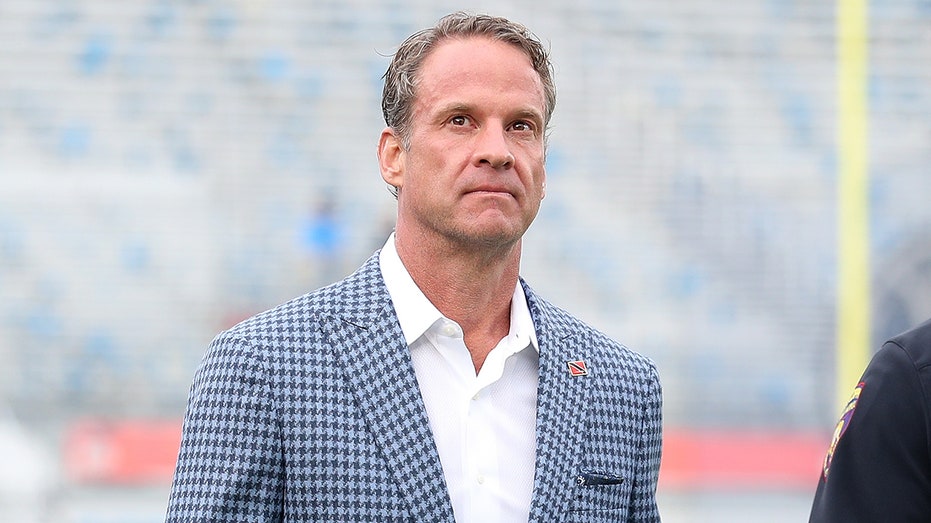
Alright, America, settle in. We're deep in the college football offseason, that strange, quiet interlude between the roar of last season and the promise of the next. And if your social media feeds are anything like mine, you're probably seeing a lot of chatter about one man: LSU's head coach, Lane Kiffin. He's a showman, no doubt, a master of the off-field spectacle, and admittedly, he often makes for compelling copy. But let's be real, focusing solely on Kiffin is like watching a single blade of grass while the entire prairie is ablaze. This offseason, there are far more significant, impactful, and uniquely American narratives unfolding across college football that deserve our attention. It’s time to look beyond the 'Lane Train' and delve into the real issues shaping our beloved sport.
The College Football Playoff: To Expand or Not to Expand?
If not for Kiffin's latest antics, the conversation dominating sports talk radio and online forums would almost certainly be about the College Football Playoff (CFP) and its potential expansion. The current 12-team model is barely a year old, yet whispers of a 24-team behemoth are growing louder. This isn't just a casual debate; it's a fundamental question about the identity of college football, and it splits our passionate fanbase right down the middle.
On one side, you have the traditionalists, those who hold the regular season as sacred. For them, every Saturday clash, every conference championship, carries immense weight because only a select few truly contend for the national title. Expanding to 24 teams, they argue, dilutes the importance of those early-season upsets and fierce rivalries. It risks turning college football into a 'participation trophy' league, where merely being 'good enough' gets you a ticket to the dance, stripping away the brutal exclusivity that many believe defines the sport. Think about the thrilling, high-stakes games we saw last year – would they feel the same if teams knew they had a much larger margin for error?
Then there are the expansionists, a growing chorus eager to see more programs get a shot at glory. They argue that a 24-team playoff would democratize the sport, allowing deserving teams from less prominent conferences or those with a single regular-season stumble to compete. It would open doors for Cinderella stories and provide a broader national interest, extending the reach of the postseason beyond the usual suspects. This isn't just about fairness; it's about engagement and giving more fan bases a reason to dream deeper into December and January. For many, it's about seeing their regional heroes on the biggest stage, not just the perennial powerhouses.
The implications for American college football are massive. A larger playoff means more games, potentially new broadcast deals, and a longer season for student-athletes. It could reshape recruiting landscapes and conference alignments. ESPN, the primary rights holder, is reportedly a key player in these discussions, holding significant sway over the future format. This isn't just about football; it's about billions of dollars and the very fabric of an institution that defines Saturdays for millions of Americans.
NIL's Continuing Evolution: Reshaping the Landscape
While the playoff debate rages, another, arguably more transformative, force continues to reshape college football: Name, Image, and Likeness (NIL). For decades, the debate around paying college athletes simmered, a deeply contentious issue that pitted the amateur ideal against the realities of a multi-billion-dollar industry. Now, with NIL, players can legally profit from their celebrity, and the tremors are still being felt.
NIL has, in many ways, done more to 'level the playing field' than any playoff expansion ever could. It allows programs, even those outside the traditional elite, to attract top talent by offering lucrative endorsement deals, collective payouts, and personal branding opportunities. We're seeing unprecedented player movement via the transfer portal, often fueled by NIL opportunities. High school recruits are making decisions not just based on tradition or coaching staff, but also on the financial prospects available at each institution.
This has massive implications for competitiveness, particularly for teams in states with strong NIL collectives and supportive alumni bases. It creates a new form of arms race, not just for facilities or coaching salaries, but for the financial backing to attract and retain elite players. How will this impact team cohesion? What are the long-term effects on player development and loyalty? These are complex questions with no easy answers, and every American college football fan, from boosters to casual viewers, is feeling its effects.
Expert analysts suggest that NIL's full impact is still unfolding. We're in uncharted territory, and the NCAA is grappling with how to regulate this new landscape without stifling athlete opportunity or creating an entirely unregulated free market. The future of roster construction, player retention, and even the balance of power within conferences will continue to be dictated by the agility and financial muscle of NIL programs.
The Conference Realignment Ripple Effect
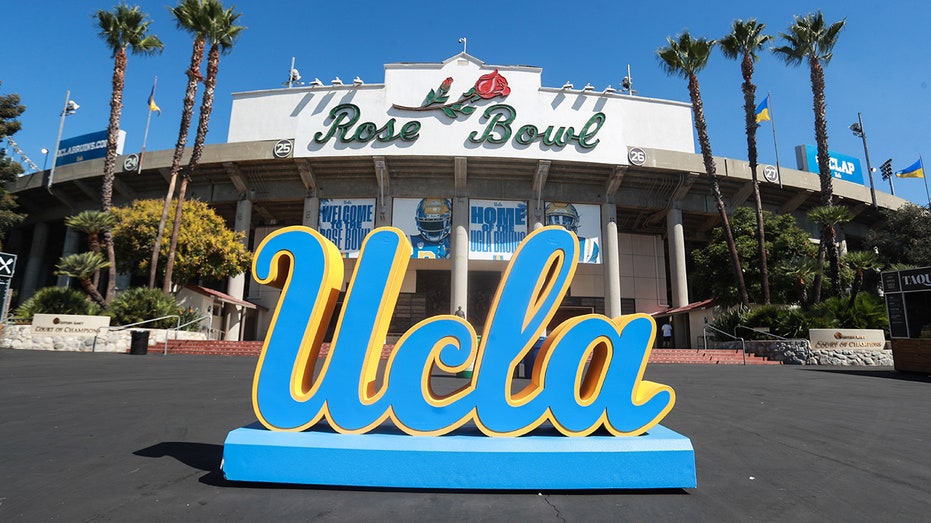
The seemingly endless merry-go-round of conference realignment continues to be a defining storyline. While we've seen some seismic shifts already, the dust hasn't fully settled. The moves of schools like Texas, Oklahoma, USC, and UCLA have fundamentally altered the landscape, creating new power blocs and leaving others scrambling for stability. The Big Ten and SEC are consolidating power, creating super-conferences with unprecedented financial and athletic might.
This isn't just about logos on a football helmet; it's about regional rivalries being shattered, new travel demands for student-athletes, and the economic survival of entire athletic departments. The Big 12, after losing its marquee programs, has strategically rebuilt. The Pac-12, effectively dismantled, serves as a cautionary tale. What does this mean for traditional rivalries like the annual battle between Oregon and Oregon State, or the future of smaller conferences trying to maintain their identity?
For American fans, these shifts mean adapting to new schedules, understanding new conference dynamics, and potentially seeing beloved traditions disappear. It's a reminder that college football, for all its timeless appeal, is also a constantly evolving business, driven by TV contracts and the pursuit of power. The dominoes set in motion years ago are still falling, and every school, every conference, is weighing its options in a high-stakes game of strategic positioning.
Looking Ahead: Beyond the Offseason Noise
While Kiffin will undoubtedly provide more soundbites and headlines as the summer progresses, the true heart of college football's offseason lies in these deeper narratives. The decisions made regarding playoff expansion, the continued evolution and regulation of NIL, and the ongoing saga of conference realignment will have far more profound and lasting implications for the sport. As American fans, it's crucial we look past the immediate spectacle and engage with these critical discussions. The future of Saturdays, tailgates, and the fierce loyalties that define us, hinges on how these stories unfold. So, keep an eye on Kiffin, sure, but don't miss the forest for the trees – the real drama is just getting started.

💬 Comments (0)
No comments yet. Be the first to share your thoughts!
Leave a Comment