
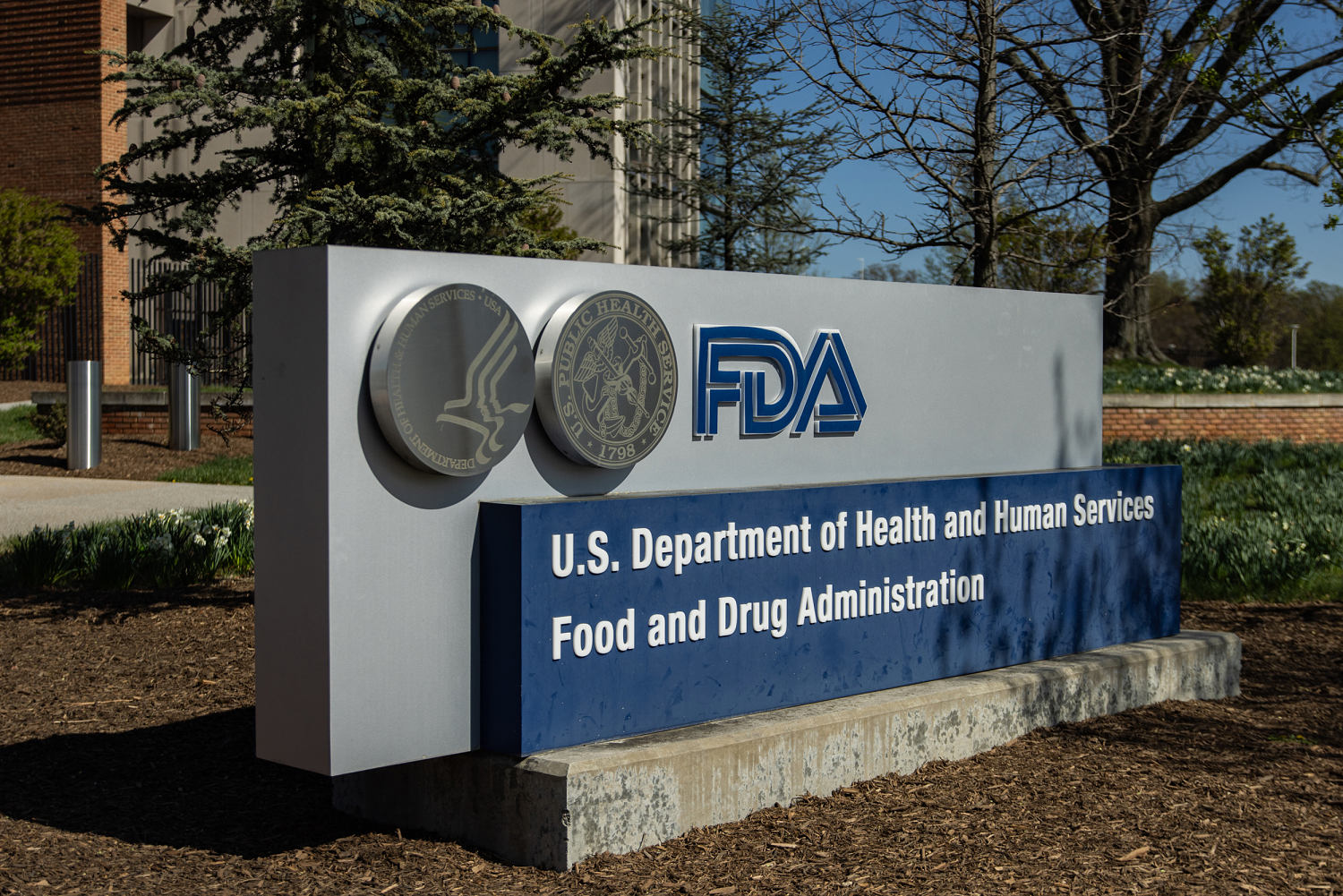
Washington D.C. is buzzing with news that could significantly impact the health of every American. The U.S. Food and Drug Administration (FDA), the critical federal agency responsible for protecting public health by ensuring the safety and efficacy of our nation's drugs, medical devices, and food supply, is in the midst of a significant leadership shake-up. Just days after the high-profile resignation of FDA Commissioner Marty Makary, the agency's top drug regulator, Dr. Tracy Beth Høeg, has also announced her departure. This double whammy leaves a leadership void at a pivotal time, sparking concerns about the stability and strategic direction of an agency central to the health and well-being of millions.
Dr. Høeg, a sports medicine physician with a controversial past regarding COVID-19 vaccine recommendations for children, served as the acting director of the FDA's Center for Drug Evaluation and Research (CDER) for approximately five months. Her tenure, though brief, was marked by internal disputes and public challenges to established FDA decisions, particularly concerning vaccine schedules and drug approvals. Her exit, confirmed by a Department of Health and Human Services (HHS) official, underscores a period of instability within the FDA that could have far-reaching implications for drug development, regulatory oversight, and public trust in vital health policies.
A Cascade of Departures and Controversies
Dr. Høeg's resignation is not an isolated event but part of a larger pattern of leadership churn at the FDA, particularly within CDER. She was the fifth individual to hold the CDER director post during the second Trump administration, having previously served as a special assistant to former Commissioner Makary. Makary, who resigned earlier in the week, reportedly did so in opposition to the Trump administration's efforts to expand access to flavored e-cigarettes, highlighting a tension between political directives and scientific public health considerations. This rapid turnover at the highest levels of drug regulation is highly unusual and warrants close scrutiny.
Taking over from Høeg, at least temporarily, will be Michael Davis, the deputy center director at CDER. Meanwhile, Kyle Diamantas, the FDA’s top food regulator, is stepping in as acting FDA Commissioner. An HHS spokesperson, Emily Hilliard, acknowledged the ongoing search for permanent leadership, stating that the administration is “actively searching for strong candidates for key leadership positions across HHS, including the FDA, with a focus on experienced individuals who can strengthen agency operations, continue to advance significant reforms, and maintain public trust.” This statement, while intended to reassure, implicitly acknowledges the current void and the urgent need for stable, experienced hands at the helm.
Internal Friction and Policy Pushback
During her short time at CDER, Dr. Høeg garnered significant attention for challenging the FDA’s own scientific consensus and regulatory decisions. Reuters reported as early as last June that Høeg raised safety concerns about FDA-approved treatments for respiratory syncytial virus (RSV) in infants, an unusual move for an agency head. More recently, prior to her departure, she reportedly pushed back against an FDA decision to fast-track the review of teplizumab, a diabetes drug from pharmaceutical giant Sanofi, according to STAT News. Such internal disputes at the highest levels can create uncertainty and potentially delay access to important medications if not handled transparently and efficiently.
Perhaps most controversially, Dr. Høeg co-authored the scientific assessment that the Trump administration cited to justify its dramatic overhaul of the childhood vaccine schedule. In January, the administration altered the schedule to more closely align with Denmark’s, recommending vaccines for 11 diseases compared to the 18 previously on the U.S. schedule. This move was temporarily blocked by a federal judge in March. At a vaccine advisory meeting in December, Høeg, who holds dual U.S. and Danish citizenship, argued that reducing universal childhood vaccines would decrease aluminum exposure. This argument, however, flies in the face of nearly a century of scientific evidence demonstrating the safety of aluminum salts used as adjuvants in vaccines, a fact often misrepresented by anti-vaccine groups falsely linking it to autism. Her public stance on this issue generated considerable controversy and raised questions about the scientific basis of her regulatory approach.
Implications for American Health and Trust
The implications of this leadership exodus and the accompanying policy disputes are significant for the health of Americans. The FDA's credibility is paramount for public trust in medications, vaccines, and medical devices. When leadership positions are in constant flux, or when top regulators publicly challenge the agency's scientific consensus, it can erode that trust and create confusion among healthcare providers and the public alike.
Experts in public health and regulatory affairs are watching closely. The process for reviewing and approving new drugs could face delays or increased scrutiny, potentially impacting patient access to innovative therapies. Moreover, any perception of political interference in scientific decision-making at the FDA can undermine its foundational mission and compromise its ability to ensure the safety and efficacy of products critical to public health. For Americans, this means a potential slowdown in the availability of new treatments, a cloud of uncertainty over vaccine schedules, and a renewed emphasis on the need for strong, uncompromised leadership at the nation's premier health regulatory body.
Looking Ahead: Rebuilding Trust and Stability
As the FDA navigates this turbulent period, the immediate priority for HHS and the Biden administration will be to appoint stable, experienced, and widely respected leaders who can restore confidence in the agency's scientific integrity and regulatory processes. The search for a new FDA Commissioner and a permanent CDER director will be closely watched, as these appointments will signal the administration's commitment to prioritizing public health over political considerations. Rebuilding public trust, ensuring efficient regulatory oversight, and fostering an environment where scientific evidence guides policy will be crucial for the FDA to effectively fulfill its mission and continue safeguarding the health of all Americans.


💬 Comments (0)
No comments yet. Be the first to share your thoughts!
Leave a Comment