
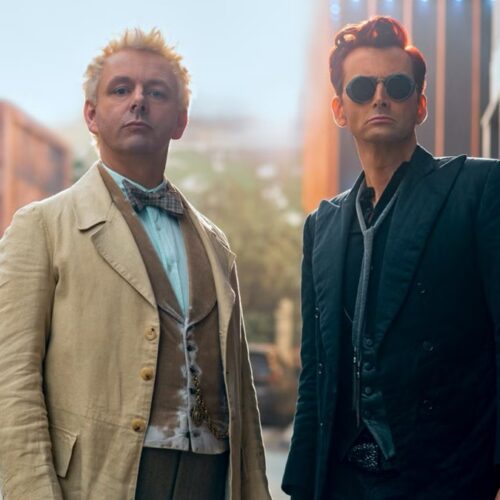
After a three-year celestial hiatus, Prime Video has finally delivered the much-anticipated series finale for its cult hit, Good Omens. The 90-minute special was tasked with tying up millennia of angelic and demonic shenanigans in a single, ambitious bow. For American audiences invested in the quirky, comedic, and surprisingly profound relationship between an angel and a demon, the wait has been agonizing. Did it stick the landing, or did the forces of Heaven and Hell, alongside some very human controversies, derail its divine conclusion?
The verdict is nuanced. The truncated format definitely left its mark, making the first half of the finale feel chaotic and rushed, a whirlwind of plot points struggling to find their footing. However, once the electric, on-screen chemistry between co-stars David Tennant and Michael Sheen fully ignites, the series' signature magic shines through, strong as ever. It's this undeniable connection that ultimately gives a fitting, albeit bittersweet, end to a saga many thought might never reach its full potential.
Recapping the Cosmic Journey So Far
For those who might need a celestial refresher, Good Omens is based on the beloved 1990 novel by legendary authors Neil Gaiman and the late Terry Pratchett. It tells the improbable tale of Aziraphale (Michael Sheen), an angel, and Crowley (David Tennant), a demon, who have spent millennia on Earth, gradually evolving from cosmic adversaries to reluctant best friends. Their shared mission: to avert Armageddon, a task they've surprisingly excelled at, much to the chagrin of their respective celestial and infernal employers.
Season 2 saw Aziraphale and Crowley attempting to return to some semblance of normalcy when the archangel Gabriel (Jon Hamm) unexpectedly materialized at Aziraphale’s Soho bookshop, stripped of his memories. The duo found themselves navigating the treacherous waters of both Heaven and Hell to uncover the mystery behind Gabriel's amnesia and his true intentions. It was revealed that Gabriel had defied Heaven’s plans for a second attempt at Armageddon, choosing to hide his memories to evade detection. Oh, and in a twist that delighted many, he'd fallen head over heels for the demon Beelzebub (Shelley Conn), with whom he subsequently eloped.
This left Aziraphale with a monumental offer: The Metatron (Derek Jacobi) proposed he take Gabriel's old job as Supreme Archangel. It was at this pivotal moment that Crowley, heartbroken and vulnerable, confessed his deep love for Aziraphale, urging him to abandon Heaven and Hell altogether for a life together. Aziraphale, however, saw a different path, hoping Crowley would join him in Heaven. A poignant, passionate kiss followed, and the two parted ways, each believing they were making the best choice, but leaving fans on a devastating cliffhanger. Upon arriving in Heaven, Aziraphale quickly learned his new mission: to revive the stalled plans for the Second Coming – essentially, the End Times.
Behind-the-Scenes Turbulence and Its Impact
The road to this final chapter was anything but smooth. The original vision for the third and final season called for a full six episodes, allowing for a more gradual and comprehensive narrative arc. However, production faced significant hurdles. The 2023 Writers' Strike brought Hollywood to a standstill, delaying countless projects, including Good Omens. More critically, the series was then rocked by multiple allegations of sexual assault against co-creator Neil Gaiman. While Gaiman has vehemently denied allegations of nonconsensual sex or abuse, he did admit in a January 2025 blog post to being selfish and “careless with people’s hearts and feelings.”
The fallout from these allegations led to Gaiman withdrawing from the project, a monumental shift for a series so intrinsically tied to its creator's vision. Prime Video, facing these challenges, made the difficult decision to condense the ambitious final season into a single, 90-minute finale rather than attempting a full six-episode run without its primary creative force. This unprecedented move undoubtedly shaped the final product, forcing a breakneck pace and the need to streamline complex plotlines, particularly in the initial segments of the episode.
The Finale: New Beginnings, Lingering Heartbreak
The finale picks up a few years after that agonizing Season 2 cliffhanger. Aziraphale is now firmly in his role as Supreme Archangel, with plans for the Second Coming well underway. However, in true Aziraphale fashion, he’s taken liberties with the divine blueprint, envisioning a more upbeat, peaceful Second Coming, focused on universal happiness rather than the apocalyptic death and destruction traditionally associated with Armageddon. This unorthodox approach, predictably, doesn't sit well with some of his more zealous angelic colleagues, who favor the original, more destructive plan.
Meanwhile, a heartbroken Crowley is spiraling. Having had his heartfelt confession rejected and his sense of purpose shattered, he's retreated into a life of heavy drinking, often found passing out in Soho alleys. His despair underscores the emotional weight of their separation, a chasm that looms large over the entire narrative. As Aziraphale’s tweaked Second Coming rollout encounters its inevitable snags, the stage is set for a final, desperate attempt to avert a catastrophe that could engulf all of creation, and perhaps, finally reconcile two beings who, despite their differences, are undeniably meant to be together.
The rapid-fire exposition and sometimes jarring transitions in the first half are a clear consequence of the compressed runtime. Yet, as the narrative progresses and the core dynamic between Aziraphale and Crowley takes center stage, the series reclaims its unique charm. For American fans, who’ve invested years in this quirky universe, the finale offers both catharsis and lingering questions, a testament to the enduring power of its characters and the difficult journey it took to reach its conclusion. It’s a finale that, despite its imperfections, ultimately reaffirms why this angelic-demonic duo captured so many hearts.
Implications for American Viewers and the Future of Streaming
For American viewers, Good Omens has always offered a distinctive blend of British humor, theological satire, and heartfelt character drama. The series’ journey, particularly its shortened final season due to external factors, highlights a growing trend in the streaming landscape: the precarious nature of beloved shows. Allegations against key creatives, coupled with industry-wide disruptions like strikes, can drastically alter or even prematurely end narratives that fans have deeply invested in. This situation serves as a stark reminder that even highly anticipated series are subject to the unpredictable forces of real-world events.
The decision to opt for a 90-minute special rather than a full season also raises questions about creative integrity versus expediency in the streaming era. While some might argue it's better to get a conclusive ending, even a rushed one, than no ending at all, others might feel shortchanged by the compressed storytelling. This finale will undoubtedly be debated by fans for years to come, dissecting what could have been and what ultimately was. For Amazon's Prime Video, it's a testament to navigating complex challenges to deliver a promised resolution, even if imperfect. As the streaming wars continue, the ability of platforms to manage such unforeseen circumstances while maintaining audience engagement will be crucial.


💬 Comments (0)
No comments yet. Be the first to share your thoughts!
Leave a Comment