
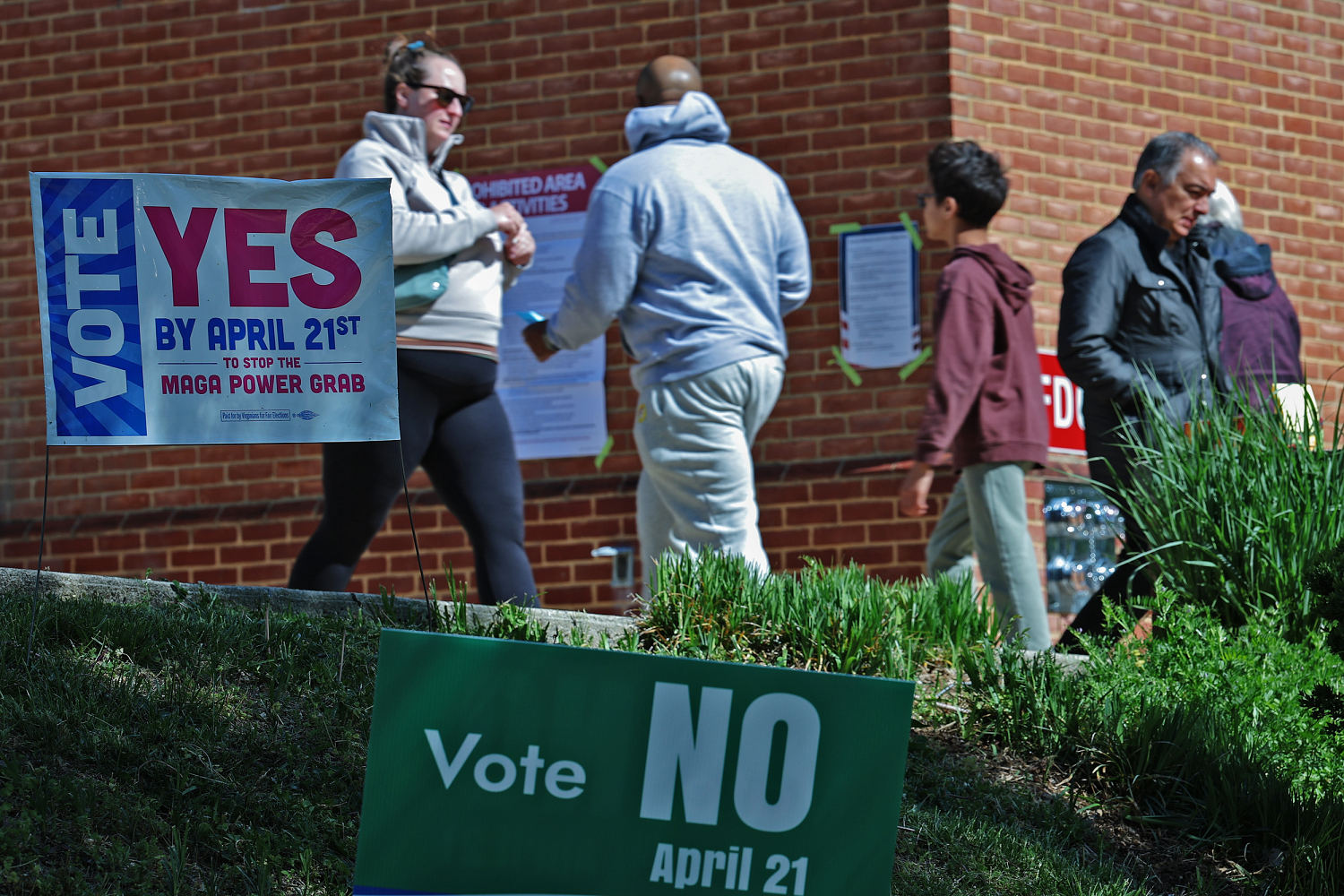
WASHINGTON D.C. – In a move that reverberates through the electoral landscape of the Old Dominion and beyond, the U.S. Supreme Court has delivered a definitive blow to Virginia Democrats, refusing to intervene in a dispute over the state's congressional map. This rejection effectively leaves in place a redistricting plan drawn by an independent commission, a ruling that could shape the balance of power in Washington for years to come and underscores the growing influence of state-level redistricting processes.
The nation's highest court, without comment or dissent, declined to hear an appeal challenging the Virginia Supreme Court's earlier decision. That state court had determined the process leading to the referendum that approved the new congressional map was flawed. For Democrats who argued the map unfairly disadvantages their party and suppresses minority votes, this marks the end of the road, cementing a redistricting outcome they had vehemently opposed.
The Battle Over Boundaries: A Brief History
The genesis of this legal battle traces back to a 2020 constitutional amendment, approved by Virginia voters, which established an independent redistricting commission. This bipartisan body, composed of eight legislators and eight citizens, was tasked with drawing new district lines following the decennial census. The goal was to remove partisan gerrymandering from the redistricting process, a contentious issue that has fueled political polarization across the country.
However, the commission's work was far from smooth. Internal disagreements and stalemates ultimately led to the Virginia Supreme Court stepping in to finalize the maps. It was this court-drawn map that Democrats subsequently challenged, arguing it was created under a flawed process and failed to adequately protect minority voting rights, among other concerns. Their appeal sought to revive their own proposed maps, which they contended offered a fairer representation.
The U.S. Supreme Court's decision to not take up the case signals a reluctance to wade into intricate state-level redistricting disputes, especially when state courts have already issued definitive rulings. For many legal observers, this aligns with a broader trend of the federal judiciary deferring to state supreme courts on matters of state law and procedure.
Expert Analysis: Implications for American Elections
“This ruling is a significant victory for the independent commission model of redistricting, even if the commission itself ultimately failed to reach a consensus,” says Dr. Eleanor Vance, a political science professor specializing in election law at the University of Richmond. “It reinforces the idea that state-level constitutional reforms aimed at taking redistricting out of the hands of partisan legislators can withstand federal scrutiny, at least on procedural grounds. For Americans concerned about gerrymandering, this sets an interesting precedent.”
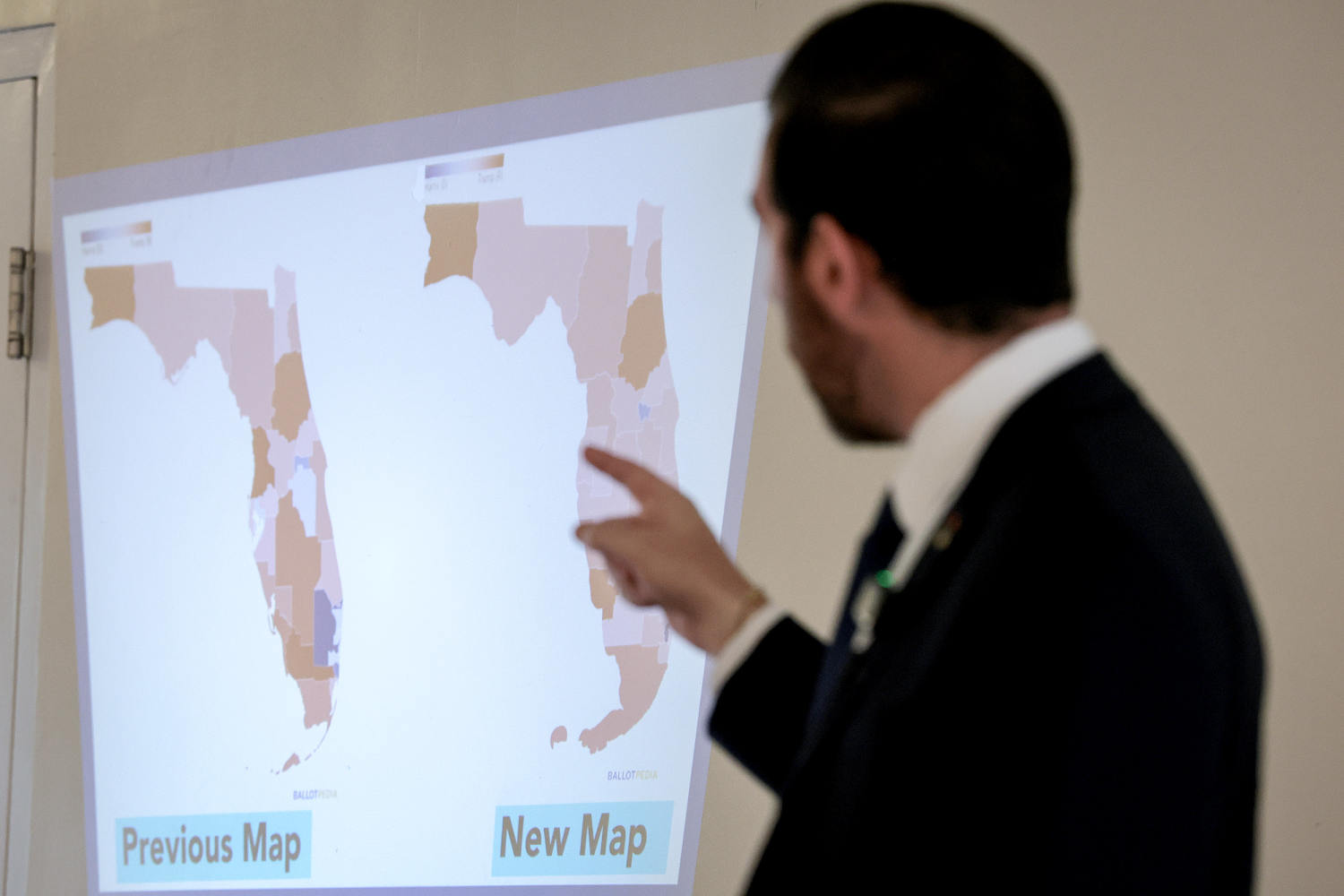
Vance points out that while the Virginia Democrats' challenge focused on the process, the underlying issue was always the political impact of the map. “Every redistricting cycle is a high-stakes game. Congressional maps dictate who can win and where, influencing everything from federal funding to policy priorities. For Virginia, this means the current map, which some analysts believe favors Republicans in a few key swing districts, will be the one voters navigate in the upcoming elections.”
The implications extend beyond Virginia. The independent commission model, though imperfect in its initial implementation in the commonwealth, is seen by many reform advocates as a critical step towards fairer elections. The Supreme Court's hands-off approach could embolden other states considering similar reforms, providing a degree of judicial assurance that their efforts won't be easily overturned by federal courts.
What This Means for Americans
For voters in Virginia, the immediate impact is clarity: the congressional districts you've been preparing to vote in are now confirmed. This means candidates are campaigning within established boundaries, and election machinery is set for the current configuration. This certainty, while perhaps not satisfying to those who favored a different map, at least removes a layer of uncertainty from the electoral process.
More broadly, this decision underscores the increasing importance of state-level politics and judicial decisions in shaping national outcomes. While federal courts often step in on matters of constitutional rights, the Supreme Court's refusal here highlights a preference for state judiciaries to resolve disputes arising from state constitutional amendments and processes. This pushes the battle for fair maps and electoral integrity more squarely onto state supreme courts and the voters who elect or influence their composition.
The ongoing struggle over congressional maps nationwide remains a flashpoint in American politics. With the Supreme Court having already scaled back some protections under the Voting Rights Act in previous decisions, the burden often falls to state-level advocates and courts to ensure fair representation. Virginia's experience serves as a case study in the complexities and frustrations of trying to depoliticize what is inherently a political act.
Looking Ahead: The Future of Fair Maps
While this particular chapter in Virginia's redistricting saga is closed, the broader narrative of fair maps in America is far from over. Advocates for non-partisan redistricting will continue to push for independent commissions and stronger constitutional protections in other states. The challenges faced by Virginia’s commission, and the subsequent judicial intervention, offer valuable lessons for those looking to implement similar reforms. The Supreme Court’s decision, while ending one legal battle, undoubtedly fuels the ongoing national debate about who draws the lines, and what that means for the future of American democracy.
💬 Comments (0)
No comments yet. Be the first to share your thoughts!
Leave a Comment