
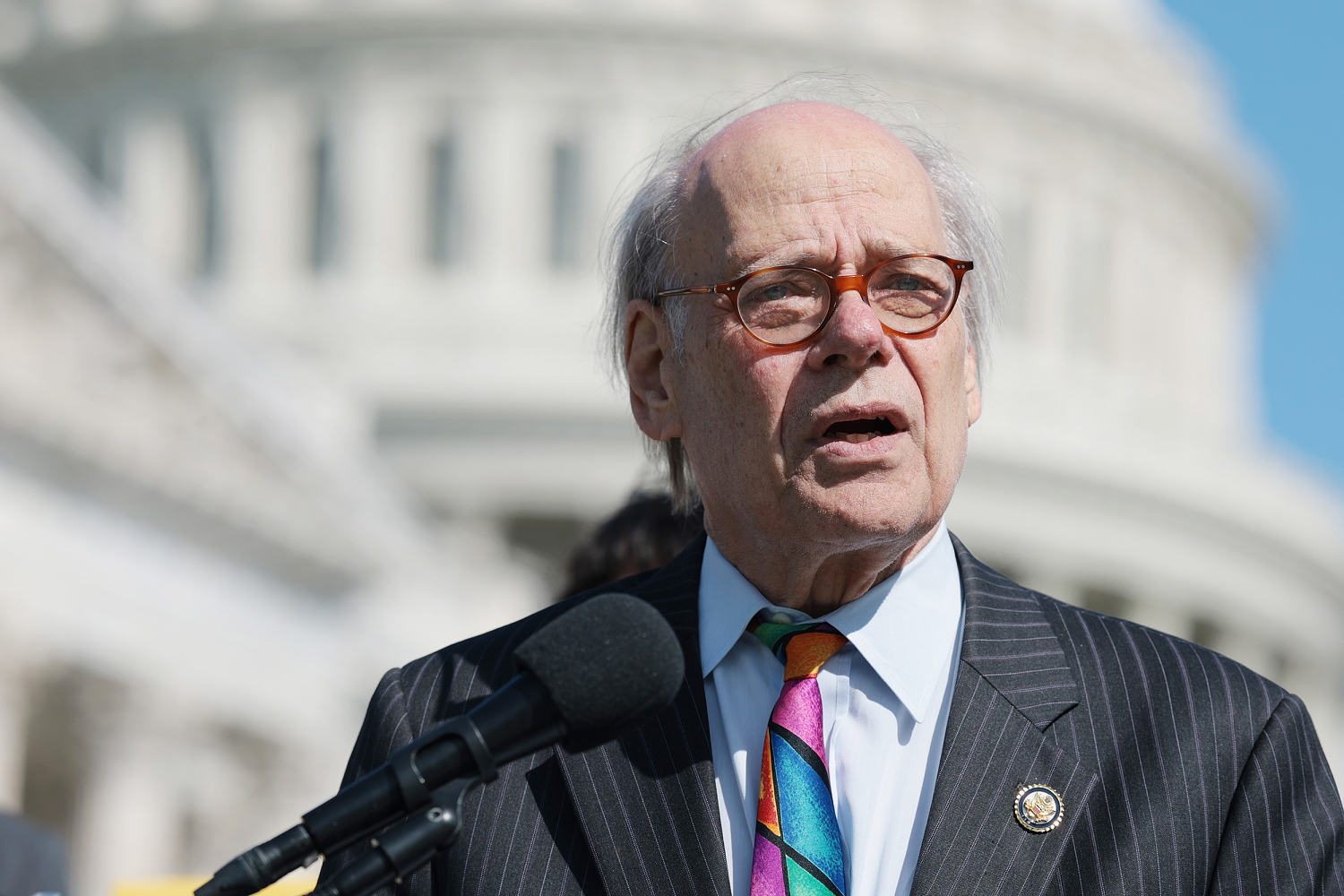
A political earthquake just hit Tennessee, sending ripples through the national electoral landscape. Veteran Democratic Congressman Steve Cohen, a familiar face in Washington for nearly two decades, announced Friday he will not seek re-election this fall. His decision, however, isn't a quiet exit but a stark condemnation of what he calls a “gerrymandered” redistricting effort by Tennessee Republicans, alleging it intentionally carved up his Memphis-based district and silenced Black voters.
“This morning, I announced my decision not to run in any of the three gerrymandered congressional districts carved out of the 9th District that I have represented for more than 19 years,” Cohen declared in a statement. He didn't mince words about the architects of these new maps: “Last week Tennessee Republicans silenced the Black vote here in Memphis to make Republican victories like [redacted for original article's incompleteness, assuming it meant ‘Republican victories more likely’ or ‘Republican victories statewide’].” This bold accusation plunges Cohen's retirement into the heart of a national controversy, highlighting the profound impact of redistricting battles on American democracy.
The Heart of the Matter: Redistricting and Representation
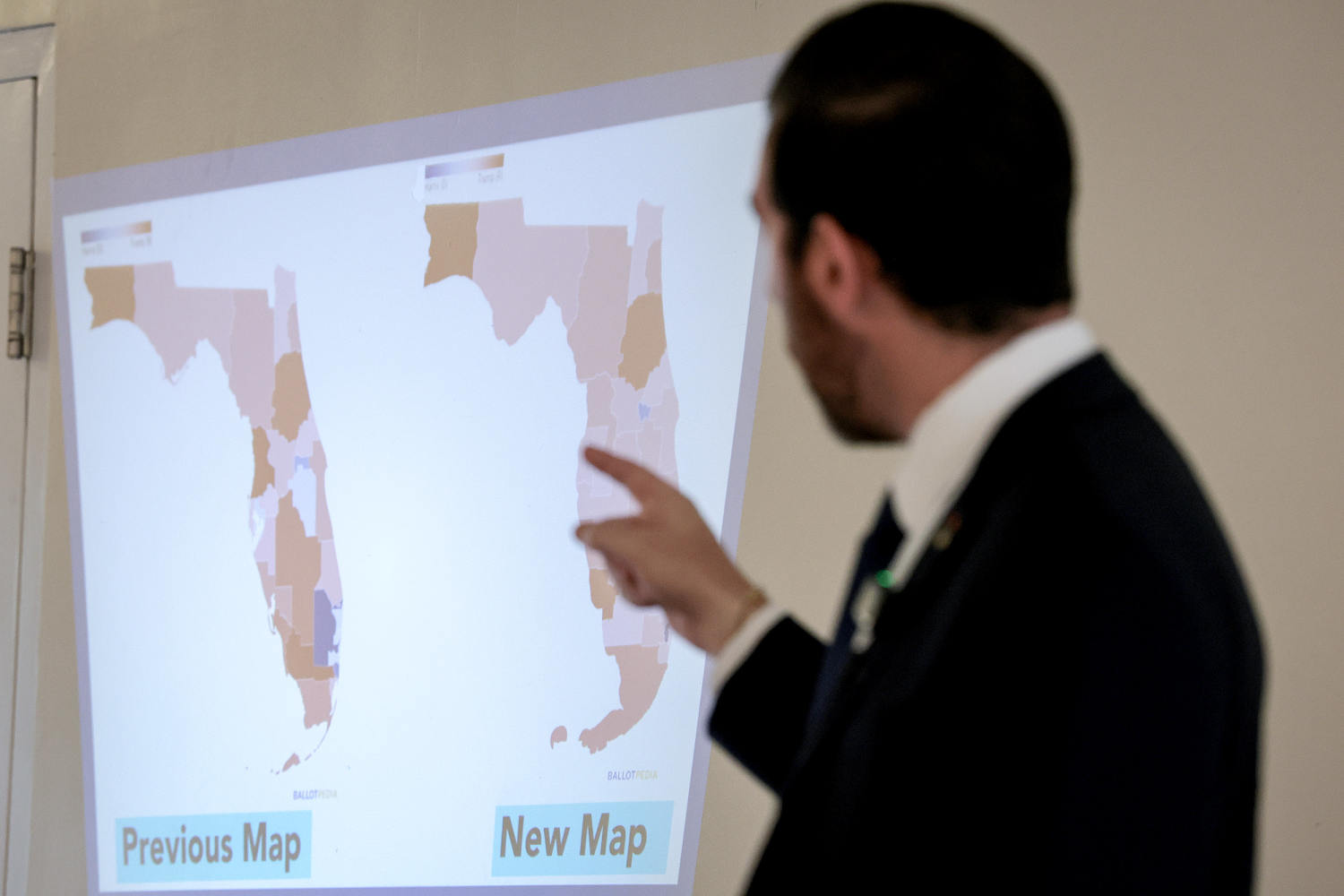
Cohen’s 9th Congressional District has long been a Democratic stronghold, anchored in the predominantly Black city of Memphis. For nearly 20 years, he has represented a constituency that consistently elected him by wide margins. However, the decennial process of redrawing congressional maps, undertaken by state legislatures after each census, has presented Republicans in Tennessee with an opportunity to reshape the electoral landscape. In a state that has trended increasingly red, the GOP-controlled legislature has flexed its power, leading to accusations of partisan gerrymandering.
Gerrymandering, the practice of manipulating electoral district boundaries to create an unfair advantage for one party or group, is a deeply contentious issue in American politics. Critics argue it undermines the principle of “one person, one vote” and allows politicians to choose their voters, rather than the other way around. In Tennessee, the Republican strategy appears to have been to divide the reliably Democratic voter base of Memphis into multiple districts, diluting its voting power and making it more challenging for a Democrat to win in any of the newly configured areas.
Expert Analysis: A National Trend with Local Consequences
Political scientists and legal experts have weighed in on the implications of such redistricting maneuvers. Dr. Elaine Kamarck, a senior fellow in Governance Studies at the Brookings Institution, points out that “partisan gerrymandering has become incredibly sophisticated with the use of data analytics. Legislatures can now draw maps with surgical precision to ensure their party’s dominance.” She adds, “What we’re seeing in Tennessee is a microcosm of a national trend where majority parties in statehouses use their power to solidify control, often at the expense of minority representation.”
For Americans, these redistricting battles have tangible consequences. They can lead to less competitive elections, reduced voter turnout, and a House of Representatives that is less responsive to the diverse needs and opinions of the electorate. When districts are drawn to guarantee a win for one party, incumbents face less pressure to compromise or reach across the aisle, contributing to the polarization that characterizes much of contemporary American politics.
The specific claim by Rep. Cohen that the redistricting “silenced the Black vote” in Memphis brings another critical dimension to the debate – racial gerrymandering. While the Supreme Court has generally allowed partisan gerrymandering to stand, it has consistently struck down districts drawn explicitly to dilute the voting power of racial minorities. However, proving racial intent versus partisan intent can be notoriously difficult in court, often leading to protracted legal battles.
Implications for Americans and the Path Ahead
Cohen’s retirement underscores a growing frustration among Democrats and voting rights advocates nationwide. It highlights the uphill battle they face in states where Republicans control both the governorship and the state legislature, giving them free rein to draw maps that favor their party. For everyday Americans, this means that their vote, particularly in urban and minority-heavy areas, may hold less sway in determining their congressional representation.
The vacuum left by Cohen's departure will undoubtedly trigger a fierce scramble for the Democratic nomination in whatever new configuration his former district now assumes. It also provides a stark reminder of the importance of state-level elections, as the composition of state legislatures directly impacts the redistricting process. Activist groups are increasingly mobilizing to advocate for independent redistricting commissions, which aim to take the map-drawing power out of the hands of partisan politicians and into the hands of non-biased bodies.
Looking ahead, the debate over gerrymandering will remain a central fixture in American politics. As the 2024 election cycle gears up, the impact of these newly drawn maps will be scrutinized across the country. Rep. Cohen's decision is not just a personal announcement; it’s a clarion call, reminding Americans of the ongoing struggle for fair representation and the critical need to safeguard the integrity of the electoral process against partisan manipulation. His exit serves as a powerful testament to the long-term, sometimes devastating, consequences of a political system where district lines can dictate destiny.
💬 Comments (0)
No comments yet. Be the first to share your thoughts!
Leave a Comment