
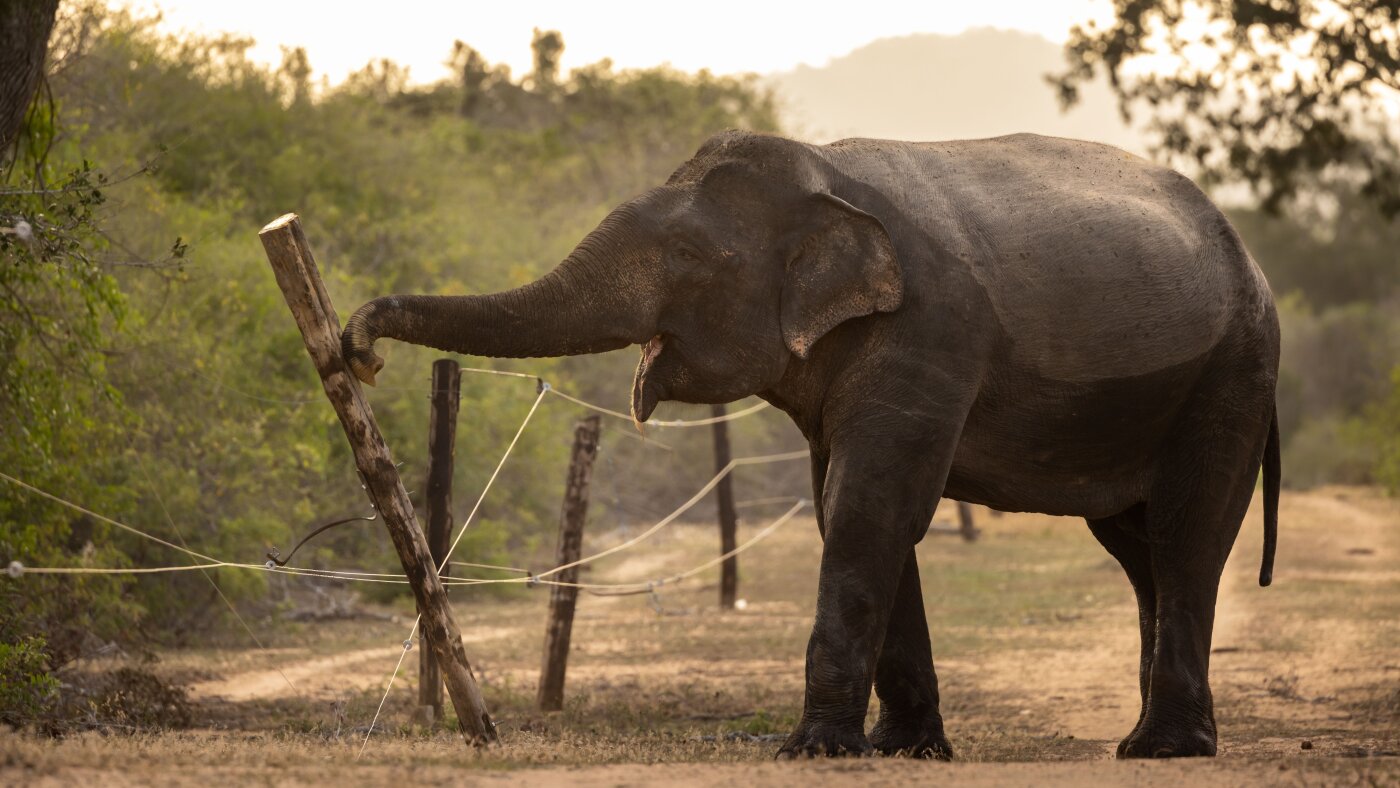
DAMBULLA, Sri Lanka – In the sun-drenched paddy fields of central Sri Lanka, a grim declaration echoes: “Obviously, it’s war.” The speaker, farmer Gunasinghe Kapuga, isn’t referring to a distant geopolitical conflict, but to the increasingly brutal encounters between his community and the majestic, yet destructive, Asian elephants that raid their crops. It’s a struggle for survival on both sides, amplified by global economic tremors that are pushing farmers to their breaking point.
This escalating human-elephant conflict (HEC) is not just a local skirmish; it’s a vivid illustration of how interconnected global crises can exacerbate localized environmental and social tensions. For American readers, understanding this conflict offers a window into the complex interplay of food security, conservation, and economic vulnerability in a rapidly changing world, particularly as climate change and global supply chain disruptions continue to ripple across continents.
A War on Two Fronts
Kapuga, taking a brief respite from the arduous work of preparing rice fields, lights a cigarette and details the existential threat elephants pose. These intelligent pachyderms, numbering around 7,400 across the island, often roam freely, clashing with the 22 million human inhabitants who have increasingly encroached upon their traditional grazing lands for agriculture. The stakes are profoundly personal: a single elephant raid can decimate a season’s worth of labor and investment, plunging families into debt and despair.
What's intensifying this desperate situation, according to Kapuga, is the ripple effect of international events. The ongoing conflict in the Middle East, for instance, has driven up the prices of essential agricultural inputs like fuel and fertilizer. “Farmers are spending more to plant less,” Kapuga explains, a cruel paradox that means they have even less tolerance for crop destruction. His chilling prediction: “More elephants will die or more farmers will die.”
The dangers are palpable. Kapuga points to a young man in his field, recalling how he recently “fearlessly chased an elephant away, he ran after it with a flashing torch and threw firecrackers at it.” Such acts of bravery, however, often come with deadly risks. “Some elephants turn around — and attack. It’s a really dangerous task.” Farmers are being killed trying to protect their livelihoods, and in retaliation, elephants are succumbing to gruesome deaths from gunshots, electrocution, and barbaric “jaw bombs” – explosives hidden in food that shatter their mouths, condemning them to a slow starvation.
The Desperation Behind Brutality
While revered in Sri Lankan Buddhist and Hindu cultures, the reverence often falters in the face of economic ruin. The methods of killing elephants – though illegal – suggest a profound level of desperation. Devaka Weerakoon, a zoology professor at Colombo University, describes these acts as “very inhumane.” Yet, he adds a crucial caveat: “Our farmers are not resilient. Two failed crops means they are completely busted.” This stark reality underscores that these are not acts of malice, but of survival.
The root of this escalating crisis lies in human expansion. Governments, in their push for agricultural development, have often converted traditional elephant grazing grounds into farmlands. This habitat loss forces elephants into closer contact with human settlements, creating unavoidable friction. While conservation efforts often focus on protected areas like Yala National Park, elephants like the bull male observed dismantling an electric fence demonstrate remarkable intelligence in adapting to human-imposed boundaries, further complicating mitigation strategies.
Implications for Americans and Global Conservation
For Americans, this conflict in Sri Lanka serves as a powerful reminder of how global economic instability and environmental pressures disproportionately affect vulnerable communities worldwide. The rising cost of commodities, driven by international conflicts, directly impacts the ability of farmers like Kapuga to sustain themselves. This, in turn, fuels human-wildlife conflict, posing significant challenges for global conservation efforts and potentially impacting eco-tourism, a vital industry for many developing nations.
Furthermore, the Sri Lankan situation highlights the complex ethical dilemmas at the heart of conservation. How do we balance the imperative to protect endangered species with the immediate survival needs of human populations? Expert analysis consistently points to the need for holistic solutions that address both human development and wildlife conservation, moving beyond simple fencing or relocation strategies to foster co-existence.
Charting a Path Forward
The intensifying war between Sri Lankan farmers and elephants is a complex tapestry of economic hardship, environmental encroachment, and the primal struggle for survival. Moving forward, solutions will require innovative approaches that go beyond traditional conservation models. This includes developing elephant-resilient crops, implementing effective and humane deterrence methods, and creating economic incentives for farmers to co-exist with wildlife.
International support and collaborative efforts are crucial. Organizations and governments can assist Sri Lanka in developing sustainable agricultural practices, implementing early warning systems for elephant movements, and investing in community-based conservation programs that empower locals to become stewards of both their land and its wildlife. Without such comprehensive strategies, the tragic war in Sri Lanka’s fields will continue to claim more lives, both human and elephant, leaving a devastating mark on the island’s future.


💬 Comments (0)
No comments yet. Be the first to share your thoughts!
Leave a Comment