
A political earthquake just rattled Virginia, and its tremors could be felt across the nation. The state's Supreme Court has delivered a stunning blow to the Commonwealth's electoral landscape, striking down a newly drawn congressional map that had been approved by voters and was largely seen as favorable to Democrats. The high court's decision, rooted in a technicality regarding the legislative process, sends the map back to the drawing board, potentially reshaping the balance of power in one of America's most pivotal swing states.
This isn't just a local squabble over district lines; it’s a high-stakes legal drama with national implications. The map, painstakingly crafted by Democrats, was the result of a hard-fought referendum process, intended to address gerrymandering and create fairer representation. Now, that effort lies in ruins, declared "null and void" due to lawmakers' alleged failure to follow proper procedures in getting the issue onto the ballot. For a nation grappling with the integrity of its elections and the perennial fight against partisan district drawing, Virginia’s predicament offers a stark reminder of the intricate and often fragile nature of our democratic processes.
The Battle Over District Lines
The saga began with a concerted effort by Virginia Democrats to redraw the state’s congressional districts following the latest census data. Traditionally, redistricting in many states has been a fiercely partisan affair, with the party in power often drawing maps designed to maximize their electoral advantage – a practice known as gerrymandering. Virginia had its own history with such maneuvers, leading to calls for reform and greater voter input.
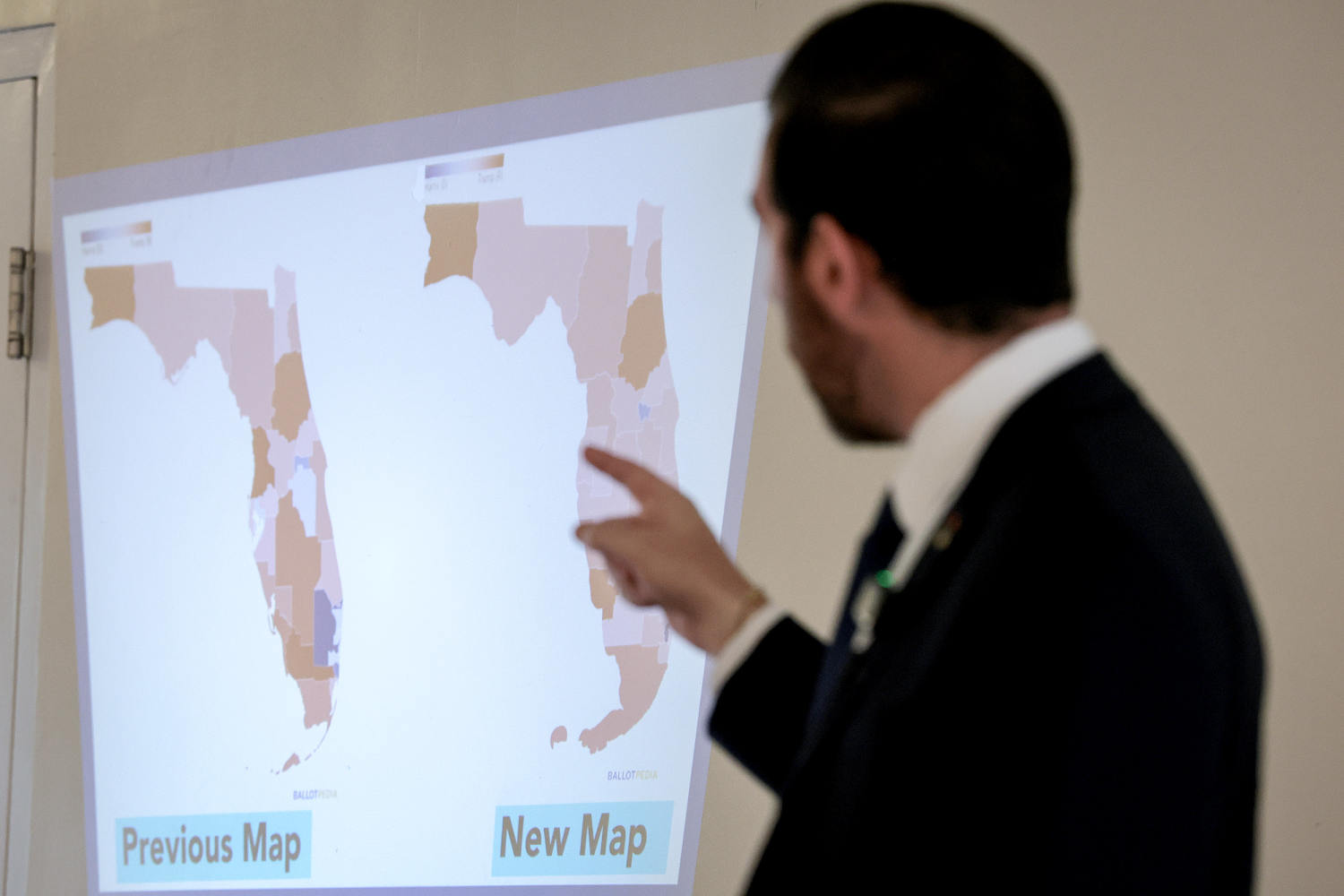
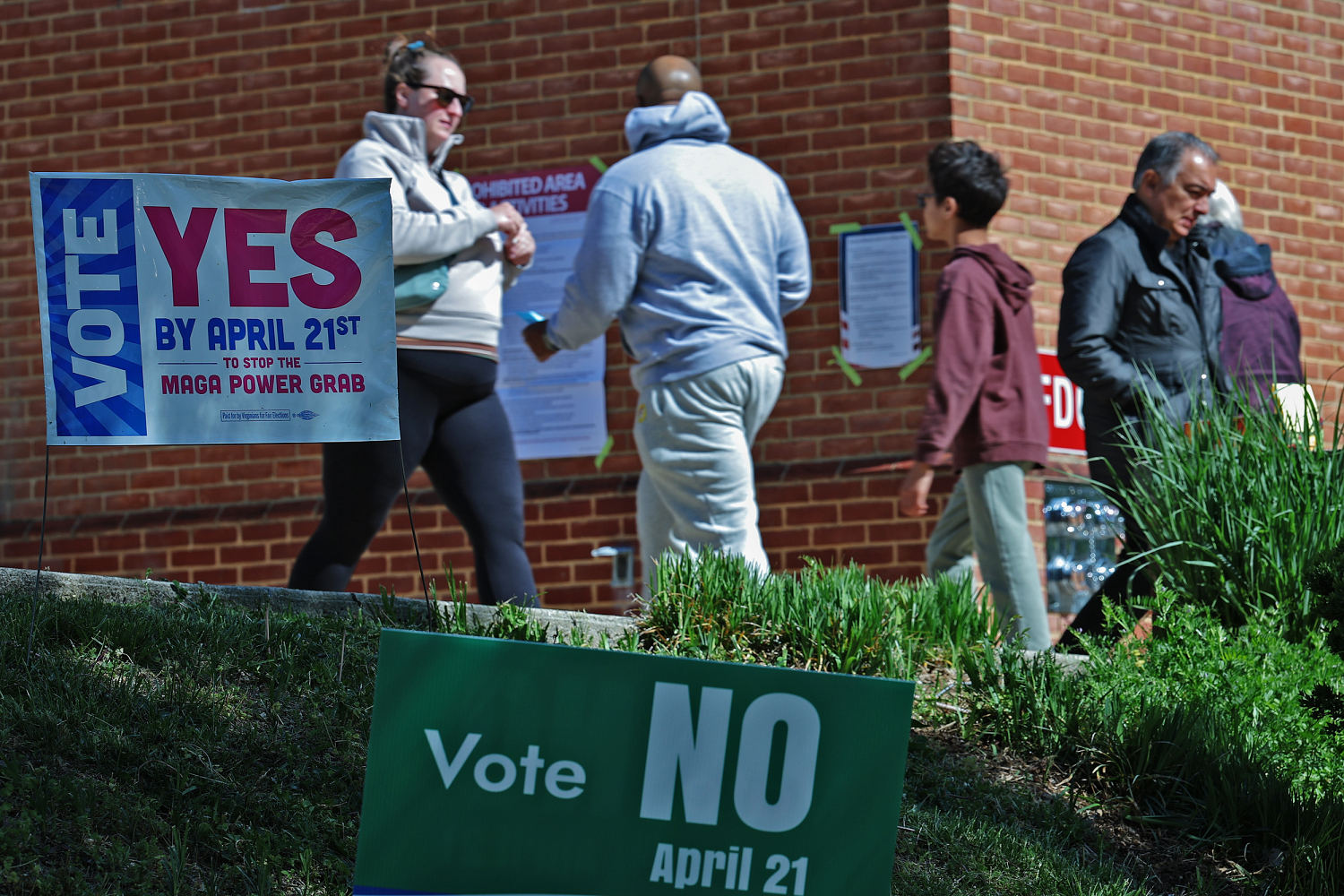
The map in question was designed to create more competitive districts and reflect the state's evolving demographics, which have trended increasingly blue in recent years. After a lengthy and often contentious legislative process, the proposed map was put before Virginia voters in a referendum, where it ultimately received their approval. For many, this was seen as a victory for democratic principles and a step towards mitigating partisan influence in electoral maps. The idea was that by allowing voters to weigh in, the process would be more transparent and less susceptible to the backroom deals that often define redistricting.
Procedural Pitfalls and Supreme Court Intervention
However, the journey from legislative approval to voter endorsement was fraught with legal peril. The Virginia Supreme Court's ruling hinges not on the merits of the map itself, nor on the will of the voters expressed in the referendum, but on the legislative procedures used to place the issue on the ballot. According to the court, lawmakers failed to adhere to the precise constitutional requirements for amending the state's electoral laws. This distinction is crucial: it's not about what the voters decided, but how they were allowed to decide it.
Expert analysis suggests this ruling highlights the often-overlooked importance of procedural exactitude in legislative processes. "While the substance of the referendum may have had popular support, the court is essentially saying that the process itself was flawed from a constitutional standpoint," explains Dr. Sarah Jenkins, a professor of constitutional law at George Mason University. "This isn't uncommon; courts often act as arbiters of process to ensure the integrity of how laws and amendments are passed, regardless of their content."
The specific procedural missteps cited by the court remain subject to legal interpretation and debate, but the outcome is clear: the map, as approved, is invalid. This throws the future of Virginia's congressional districts into immediate uncertainty, forcing lawmakers to revisit a process they likely believed was settled.
Implications for Americans and the 2024 Election
The implications of this ruling extend far beyond the borders of Virginia. For Americans concerned about fair elections and the balance of power in Congress, this is a significant development. Virginia is a crucial battleground state, and its congressional delegation plays a vital role in national politics. A redrawing of districts could alter the competitive landscape for several House seats, potentially affecting the razor-thin majorities in Washington.
For Democrats, the ruling is a setback, undoing a map that was expected to bolster their electoral prospects. For Republicans, it presents an unexpected opportunity to influence the redistricting process and potentially gain ground. The fight over district lines is fundamentally a fight over political power, and this decision just reignited a major front in that ongoing battle.
Furthermore, this case serves as a cautionary tale for other states undertaking redistricting. It underscores the critical need for meticulous adherence to legal and constitutional procedures, even when pursuing popular reforms. The path to fair maps, it seems, is often paved with unforeseen legal challenges.
What Comes Next?
The immediate future for Virginia's congressional maps is now murky. Lawmakers will be forced back to the drawing board, likely under significant pressure and with a tight timeline. The process could involve further court challenges, political negotiations, and potentially another round of public input. The specter of a court-imposed map, should the legislature fail to act, also looms large.
As the 2024 election cycle draws closer, the urgency to finalize these maps will only intensify. The outcome will not only determine who represents Virginians in Congress but could also serve as a bellwether for the ongoing national struggle over electoral integrity and partisan gerrymandering. All eyes will now be on Richmond as the Commonwealth grapples with this unexpected legal twist, knowing that the way Virginia draws its lines can send ripples all the way to Capitol Hill.

💬 Comments (0)
No comments yet. Be the first to share your thoughts!
Leave a Comment