
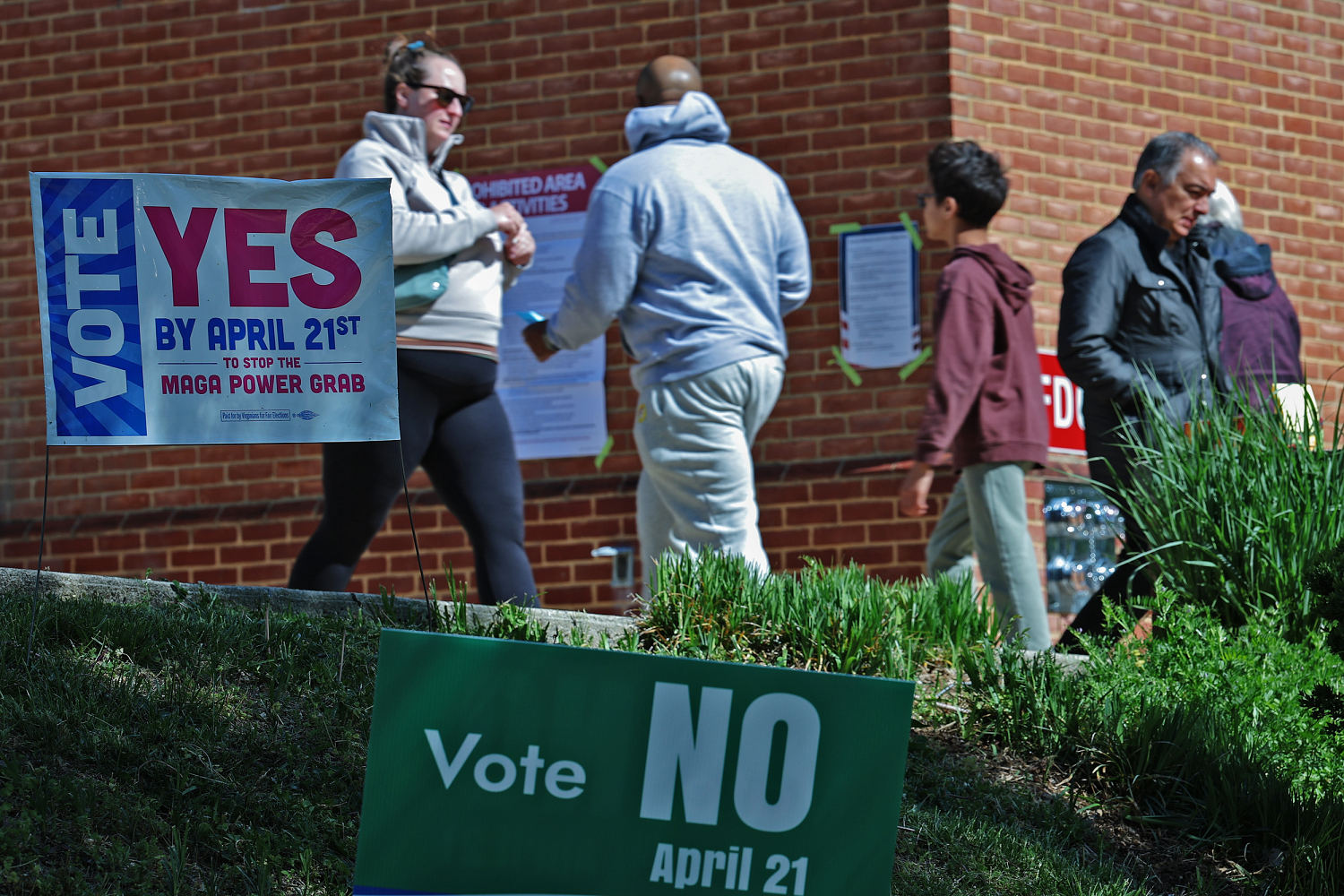
WASHINGTON – In a significant move that reverberates through the nation's political landscape, the U.S. Supreme Court on Friday decisively quashed Virginia Democrats’ ambitious attempt to revive a new, voter-approved congressional map. This brief, undissented decision effectively slams the door on a legal strategy that aimed to reshape the Old Dominion's electoral map ahead of the crucial midterm elections, marking a clear victory for Republicans and reinforcing the existing power dynamics in the state.
The high court's refusal to intervene leaves undisturbed a prior ruling by the Virginia Supreme Court, which identified critical procedural flaws in the process that led to the creation of the proposed new map. While the legal skirmish had already begun to lose steam in recent days – with Democratic Governor Abigail Spanberger acknowledging earlier this week that the practical deadline for implementing a new map had already passed – Friday's Supreme Court action provides definitive closure to the contentious saga.
The Stakes in Virginia and Beyond
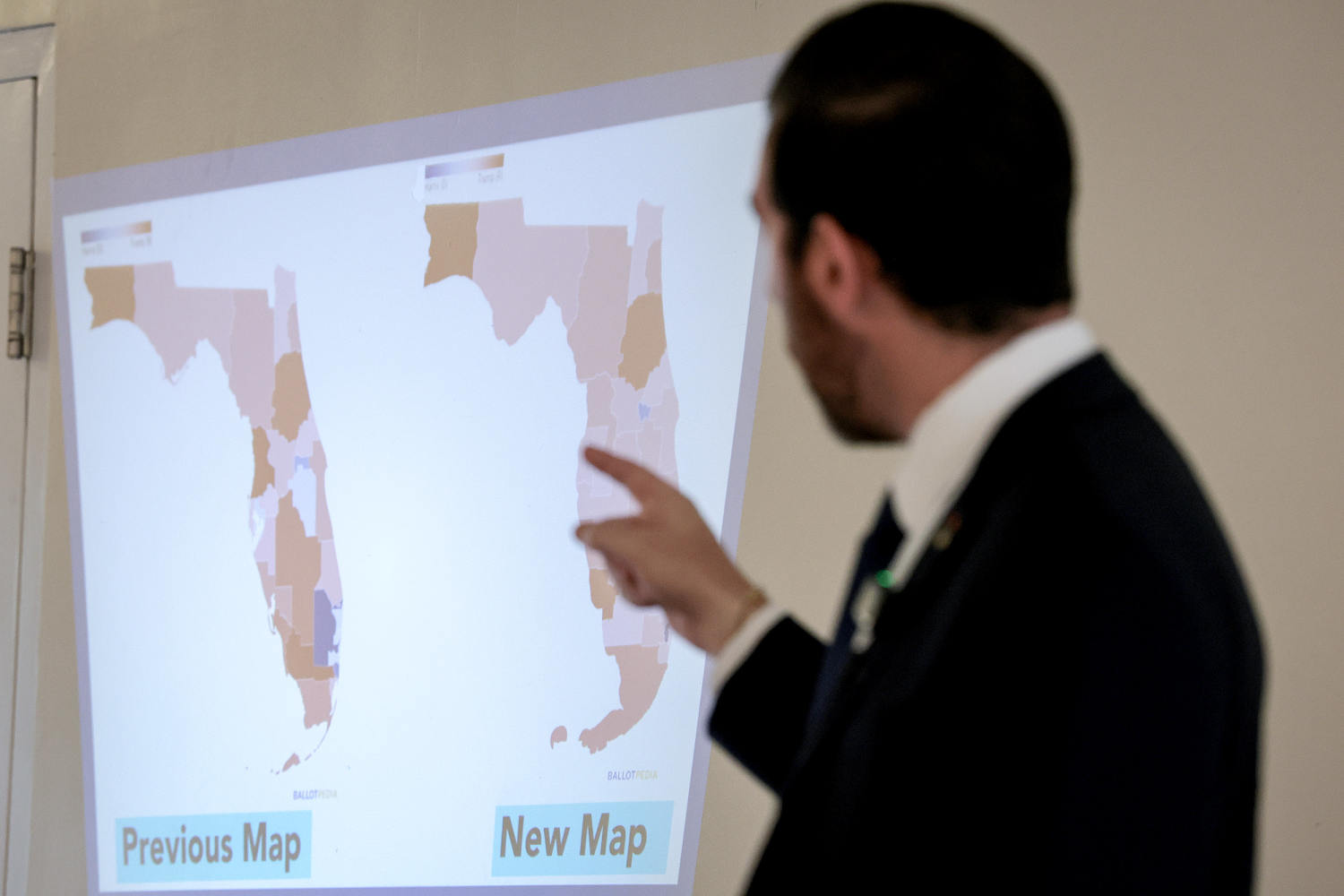
At its heart, this legal battle was a microcosm of the nationwide redistricting wars that have inflamed political discourse across America. The new map, championed by Virginia Democrats, was strategically crafted to maximize the number of Democratic-leaning congressional districts within the state's 11-district allocation. Had it been successfully implemented, analysts suggest it could have translated into as many as four additional seats for Democrats, a substantial shift from the current 6-5 Democratic-Republican split. This potential gain would have been a significant boon for a party looking to fortify its position in Congress.
The broader context for these redistricting skirmishes can be traced back to highly publicized calls, such as former President Donald Trump's urging for Texas to draw maps more favorable to Republicans. These efforts underscore the zero-sum nature of redistricting, where every line drawn can mean the difference between winning and losing control of legislative bodies.
Expert Analysis: A Focus on State Law
Legal experts had largely predicted the Supreme Court's reluctance to engage with this case. The core of the dispute hinged on a technical legal question rooted firmly in Virginia state law, an area where the U.S. Supreme Court typically lacks jurisdiction. As constitutional law professor, Dr. Evelyn Reed of Georgetown University, explains, “The Supreme Court is fundamentally a court of federal law. While state court decisions can sometimes touch upon federal questions, the bar is incredibly high for the Supreme Court to step in and second-guess a state’s interpretation of its own procedural rules, especially when no clear federal constitutional violation is evident.”
Despite this general principle, Virginia Attorney General Jay Jones had pressed the argument that the state court's decision indirectly implicated federal law, attempting to create a hook for Supreme Court review. However, the justices evidently found this argument insufficient, choosing to respect the boundaries between state and federal judicial authority. For American citizens, this decision reinforces the principle of federalism, where states maintain significant autonomy over their internal legal and political processes, including how their electoral districts are drawn.
Implications for the Midterm Elections
For Democrats, Friday's ruling represents a tangible setback, not just in Virginia but as a signal for similar battles nationwide. The party has been actively pursuing redistricting advantages in various states, hoping to counteract Republican-led gerrymandering efforts. The Virginia outcome means Democrats will have to contest the upcoming midterm elections under the existing map, a landscape that is less favorable to their aspirations for increased representation.
Political strategists on both sides of the aisle will now recalibrate their efforts in Virginia, focusing on voter turnout and persuasive messaging within the established district boundaries. For American voters in Virginia, the implications are direct: the congressional districts they vote in this November will remain unchanged from the previous cycle, potentially altering the dynamics of local races and the broader national fight for control of the House of Representatives.
Looking Ahead: The Ongoing Redistricting Battle
While this particular chapter in Virginia's redistricting saga has closed, the broader war is far from over. Redistricting, which occurs every ten years after the national census, will continue to be a flashpoint in American politics for years to come. Both major parties will continue to employ every legal and political tool at their disposal to draw maps that advantage their candidates, leading to ongoing legal challenges and fierce electoral contests.
The Supreme Court’s decision, while specific to Virginia, underscores the critical importance of state-level judicial rulings and the intricate balance between state and federal legal systems in shaping America's democratic process. For citizens, understanding these complex battles is vital, as they directly impact who represents them in Washington and the legislative agenda that ultimately affects their lives.

💬 Comments (0)
No comments yet. Be the first to share your thoughts!
Leave a Comment