
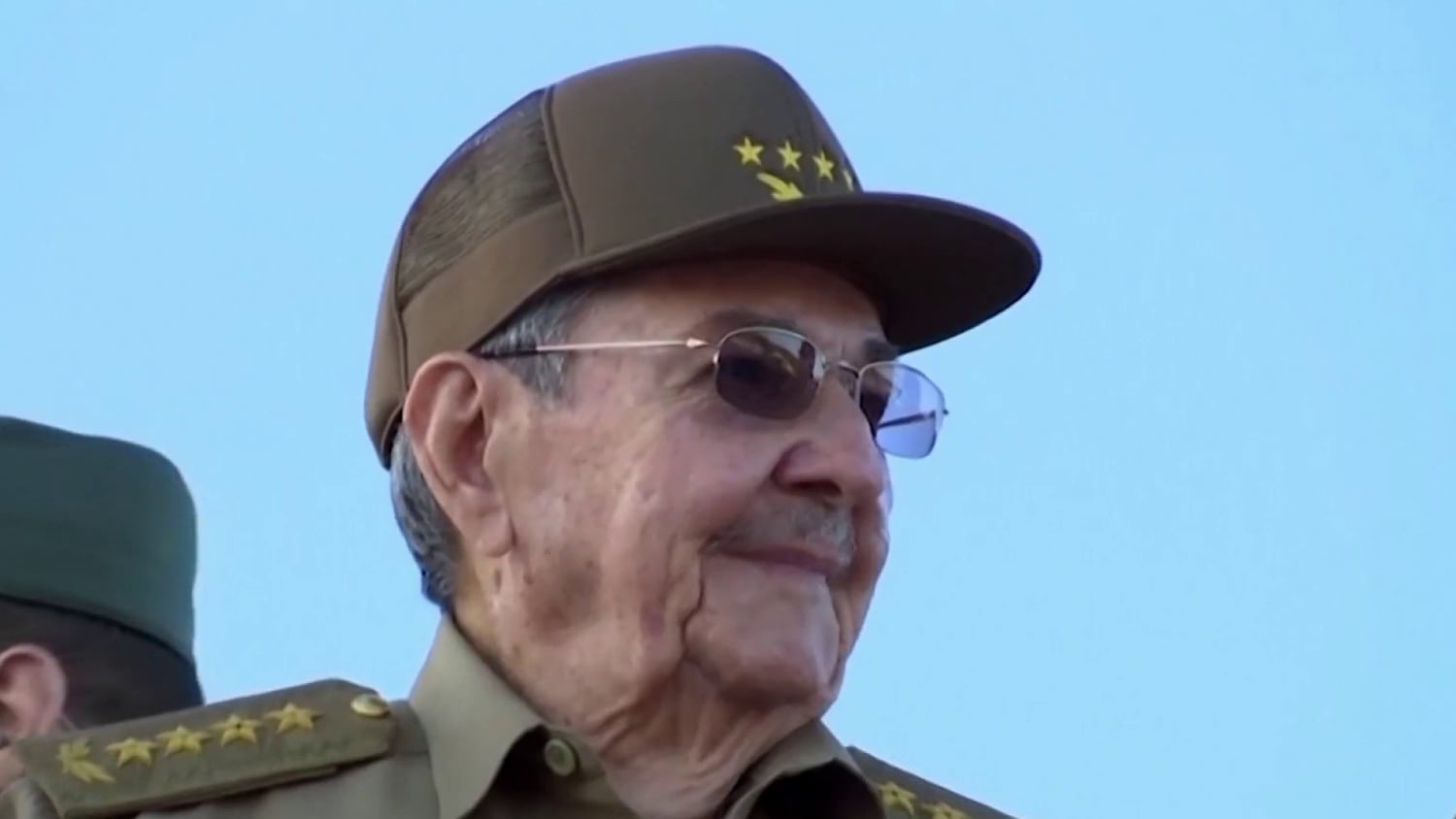
In a move that could send shockwaves across the Caribbean and fundamentally alter the already fraught relationship between Washington and Havana, the U.S. Justice Department is reportedly seeking to indict Cuba's powerful former leader, Raul Castro. Two U.S. officials, speaking on condition of anonymity due to the sensitive nature of the information, have confirmed the push for an indictment to NBC News. This aggressive legal pursuit marks a dramatic escalation in U.S. policy towards Cuba, targeting a figure synonymous with the island's revolutionary past and present, and promises to ignite a firestorm of international debate and diplomatic fallout.
For decades, Raul Castro has been a central, often enigmatic, figure in Cuban politics, stepping into the formidable shadow of his brother Fidel after the latter's health declined. His potential indictment by U.S. authorities is an unprecedented step, indicating a hardening stance from Washington and a willingness to use legal mechanisms to address perceived historical grievances. Such an action would not only target a former head of state but also a symbol of Cuban sovereignty, likely provoking a fierce backlash from Havana and its allies on the world stage.
The Weight of History: Raul Castro's Legacy
Raul Castro, now 93, served as President of Cuba from 2008 to 2018, succeeding his elder brother Fidel Castro, who led the country for nearly five decades after the 1959 revolution. Before his presidency, Raul was a crucial military commander and Minister of the Revolutionary Armed Forces, deeply embedded in the Cuban political and security apparatus from its inception. His tenure as president saw a period of cautious economic reforms and a historic, albeit brief, rapprochement with the United States under the Obama administration, which restored diplomatic ties after more than 50 years of estrangement.
However, that brief thaw rapidly reversed during the Trump administration, which reimposed a slew of sanctions and rescinded many of the diplomatic overtures. The Biden administration has largely maintained a tough stance, indicating a bipartisan consensus on pressuring the Cuban government. The specific charges being sought against Raul Castro remain undisclosed, but speculation within policy circles ranges from human rights abuses to narcotics trafficking or other transnational crimes. Any indictment would likely hinge on evidence gathered over many years, potentially from intelligence sources or defectors, and would be subject to the rigorous demands of the U.S. legal system.
Expert Analysis: Implications for U.S. Policy
This potential indictment is not merely a legal maneuver; it is a profound political statement with far-reaching implications. “Targeting a figure like Raul Castro is a clear signal that the U.S. is not backing down on its pressure campaign against the Cuban regime,” says Dr. Elena Rodriguez, a professor of Latin American studies at Georgetown University. “It moves beyond sanctions and into the realm of international criminal justice, which raises the stakes considerably. Havana will view this as an act of extreme hostility and a direct challenge to its sovereignty.”
For Americans, especially Cuban Americans, the news will evoke a complex mix of emotions. For some, it represents a long-awaited act of accountability for a regime they believe has oppressed its people and undermined democratic values. Others may fear that such an aggressive move could further destabilize the region, impede future diplomatic engagement, and even negatively impact family ties between the U.S. and Cuba. “There's a strong desire for justice among segments of the Cuban diaspora,” Dr. Rodriguez explains, “but there’s also concern that this could close the door entirely on any future dialogue, making life harder for Cubans on the island and for their relatives here in the U.S.”
The practical challenges of indicting and prosecuting a former head of state who resides in a sovereign nation with no extradition treaty with the U.S. are immense. An indictment would likely lead to an Interpol red notice, restricting Castro's international travel, but actual apprehension and trial would be highly improbable without a dramatic shift in Cuban politics or U.S.-Cuba relations. Therefore, the immediate impact would be primarily symbolic and diplomatic, further isolating Cuba on the international stage and solidifying its pariah status in the eyes of Washington.
The Road Ahead: What This Means for Americans
The pursuit of an indictment against Raul Castro underscores a shift in U.S. foreign policy, indicating a greater willingness to use legal tools to address foreign policy objectives, even against high-profile adversaries. This trend, if it continues, could have broader implications for how the U.S. interacts with other non-allied nations and their leaders.
For American citizens, particularly those with interests in the Caribbean, this development could mean increased regional instability. Businesses eyeing potential future investments in Cuba, and even tourism, could face further uncertainties. The political rhetoric surrounding Cuba is likely to intensify, influencing domestic political debates, particularly in states with significant Cuban American populations like Florida.
Looking forward, the Justice Department's reported effort to indict Raul Castro signals a new, more confrontational chapter in U.S.-Cuba relations. While the immediate legal ramifications for Castro personally might be limited given his residence in Cuba, the political and diplomatic fallout will be significant. It will undoubtedly deepen the chasm between Washington and Havana, making any future path to reconciliation even more arduous. The world watches to see if this legal gambit will achieve its intended goal of accountability, or if it will merely serve to further entrench decades of animosity and distrust, with potential consequences for regional stability and American foreign policy for years to come.

💬 Comments (0)
No comments yet. Be the first to share your thoughts!
Leave a Comment