
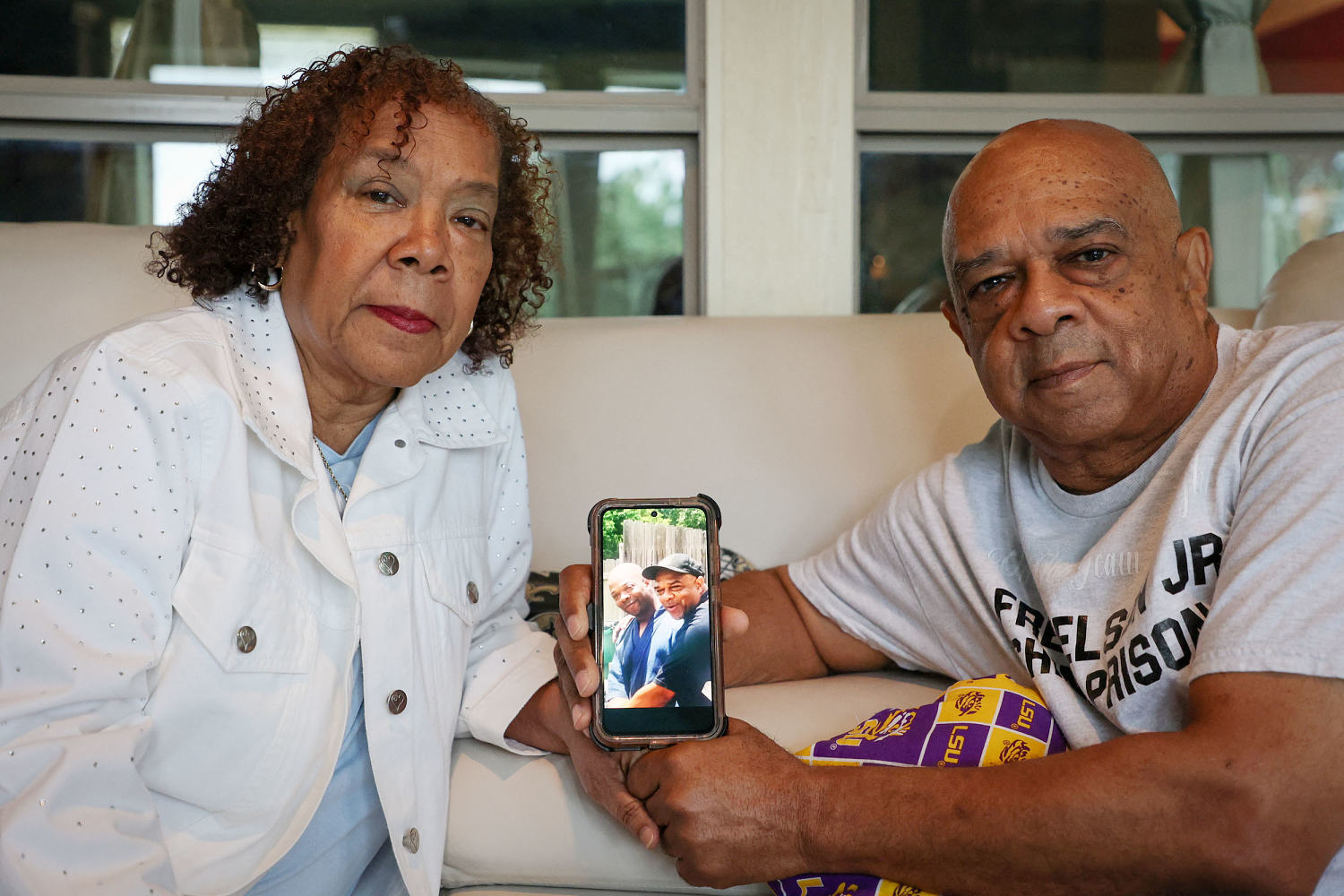
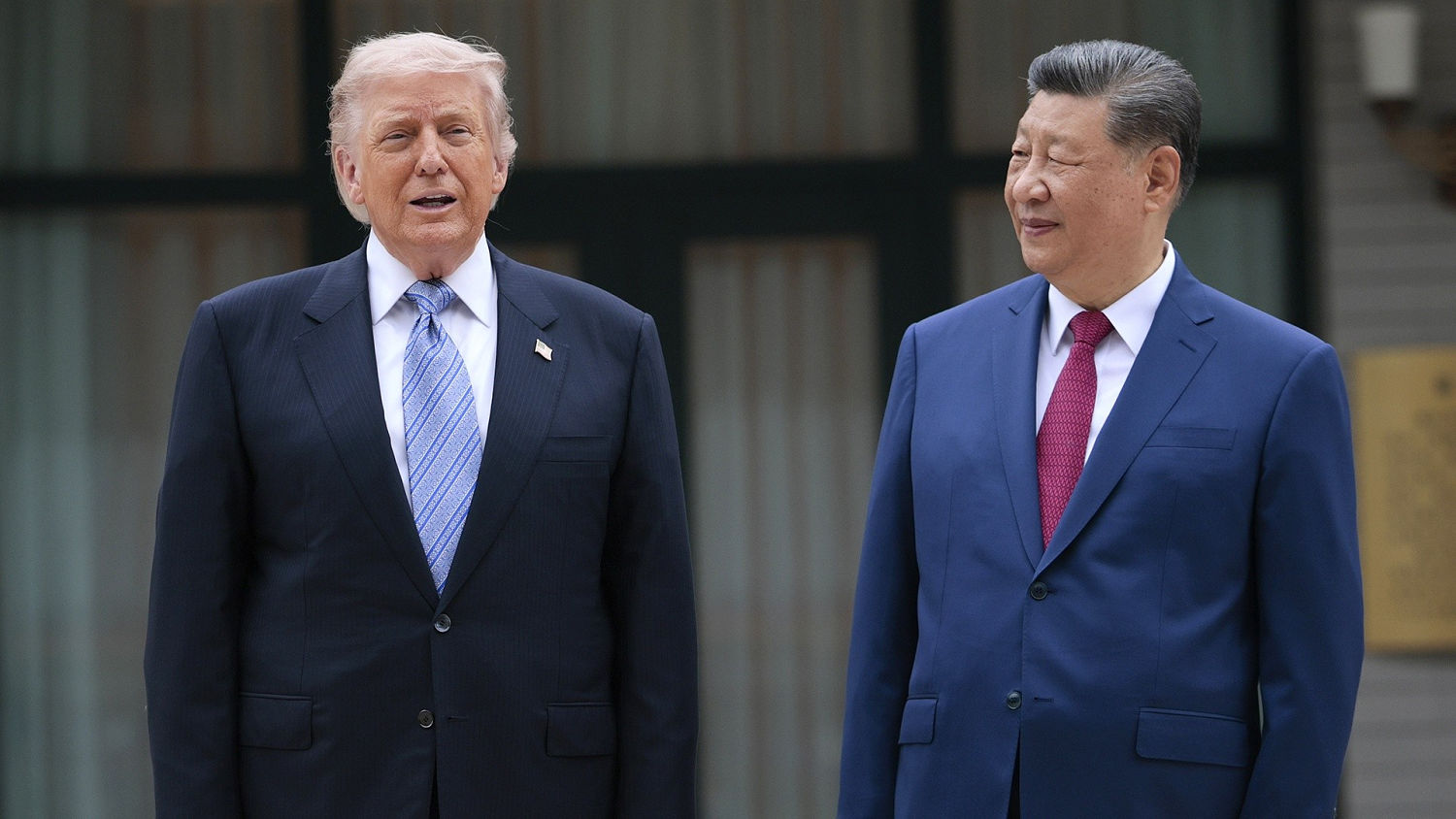
A poignant and desperate plea echoes from the heartland of America to the halls of power in Beijing, as two families with loved ones languishing in Chinese prisons for over a decade seize a rare opportunity. With President Donald Trump meeting Chinese leader Xi Jinping this week, these families are appealing directly to the Commander-in-Chief, hoping his high-stakes diplomacy can bring their long-imprisoned family members home.
Dawn Michelle Hunt, 54, from Illinois, and Nelson Wells Jr., 52, from Louisiana, are both serving lengthy sentences in separate Chinese facilities. Their families contend they were ensnared in intricate smuggling scams at the airport, rather than being knowing participants in drug trafficking – the charges leveled against them. The crucial state visit, the first by a U.S. president to China since Trump's previous term nine years ago, represents a sliver of hope that a direct conversation between Trump and Xi could pave the way for their release, especially as both Americans' health reportedly deteriorates.
A Decade of Despair: Families Speak Out
For Nelson Wells Sr., a U.S. Army veteran, and his wife Cynthia, the past 12 years have been an agonizing ordeal. They describe their son, Nelson Jr., as an inspiring, charismatic individual whose spirit has been crushed by isolation. “When I speak to Nelson, it tears me apart,” Nelson Wells Sr. told reporters, detailing his son’s mental and physical decline. From bad to worse, his health shows no sign of recovery, leaving his parents fearing the worst.
Similarly, Tim Hunt, a retired police officer, paints a heartbreaking picture of his sister, Dawn. Once the vibrant artist who softened their gruff police officer father, Dawn now faces a life sentence, her physical and mental health ravaged to a point Tim says is "beyond recognition." He harbors deep concerns about her well-being, including the possibility she may be suffering from uterine cancer. “She’s angry. She wants to come home,” Hunt conveyed to reporters, describing his sister as “hurt and broken” by false promises of release. The crushing sentiment, he added, is that “her country has let her down because nobody’s fighting for her.”
U.S. Government Stance and Expert Insights
A spokesperson for the U.S. State Department confirmed the detention of Wells and Hunt, emphasizing that the Trump administration prioritizes “the safety and security of Americans.” The spokesperson affirmed the government’s commitment to providing consular assistance and stated that the department and its diplomatic mission in China “unwaveringly advocates for the health and welfare of all U.S. citizens detained in China.” Citing privacy considerations, no further comment was offered.
These cases highlight the complex and often opaque nature of judicial processes in China, particularly for foreign nationals. "The allegations of drug trafficking are serious in China, carrying severe penalties, including the death penalty in some instances," explains Dr. Sarah Miller, a professor of international law at Georgetown University. "However, the claims of entrapment or being unwitting participants in smuggling operations are not uncommon among families of those detained, underscoring the need for thorough investigations and robust consular support."
Peter Humphrey, a British former prisoner in China who now consults and advocates for others in similar predicaments, suggests that the Trump-Xi meeting offers a glimmer of hope for these families. After years of persistent advocacy across multiple U.S. administrations, the State Department finally made a formal request for the humanitarian release of Wells and Hunt last year. According to Humphrey, there is a degree of receptivity on the Chinese side, as Xi Jinping is known to appreciate "king to king conversations" – direct, high-level discussions that could potentially bypass bureaucratic hurdles.
Implications for Americans Abroad
For Americans, these cases serve as a stark reminder of the potential risks of international travel and the long arm of foreign legal systems. The plight of Hunt and Wells underscores the critical role of consular services and diplomatic intervention when U.S. citizens face legal trouble overseas. The feeling of being "let down by her country," as articulated by Dawn Hunt, resonates deeply and highlights the emotional toll these situations take on both the detained and their families.
Beyond the personal tragedies, these detentions can also become points of leverage in broader geopolitical discussions between the U.S. and China. "In complex U.S.-China relations, humanitarian cases like these often intertwine with trade, security, and human rights dialogues," notes Dr. David Chen, an expert in East Asian affairs at the Council on Foreign Relations. "While it's difficult to predict specific outcomes, a direct appeal from President Trump to President Xi could carry significant weight, given the symbolic importance of the state visit and the desire on both sides to demonstrate goodwill, even if limited."
A Forward Look: Hope on the Horizon?
As President Trump engages with President Xi, the hopes of the Hunt and Wells families are pinned on the power of direct diplomacy. The state visit represents perhaps the most significant opportunity in over a decade for these Americans to be brought home on humanitarian grounds. While the wheels of international politics turn slowly, the vocal appeals from these grieving families, coupled with the State Department's recent formal request, provide a renewed, albeit fragile, sense of optimism. The coming days will reveal whether these "king to king conversations" can translate into tangible relief for two Americans caught in the unforgiving embrace of a foreign justice system, and provide an answer to their families' enduring plea.


💬 Comments (0)
No comments yet. Be the first to share your thoughts!
Leave a Comment