
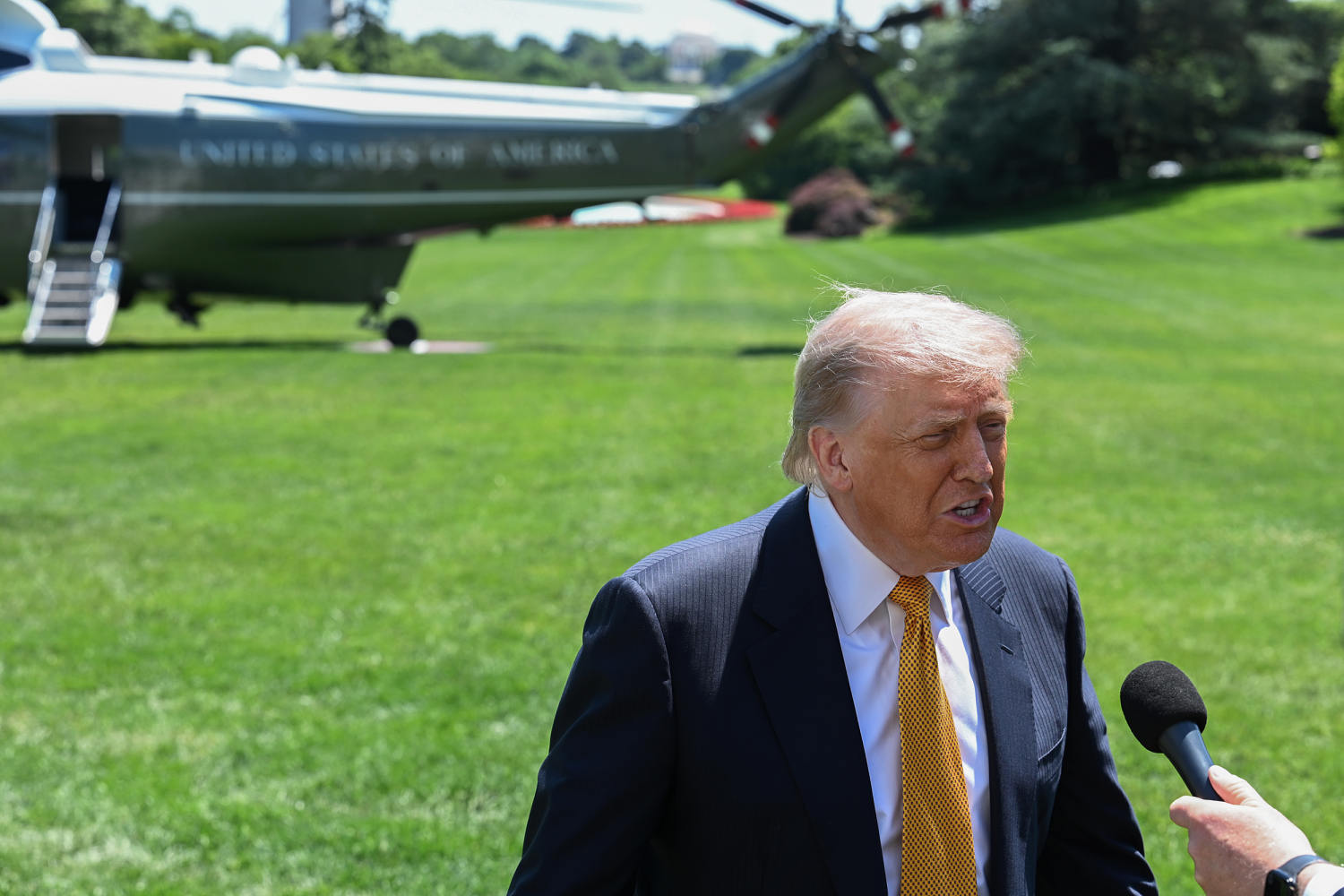
In a move that has reignited debate across the political spectrum, former President Donald Trump has doubled down on his controversial assertion that the financial concerns of American citizens are not on his radar when it comes to negotiating a resolution to the escalating tensions with Iran. His defiant remarks, initially made earlier this week and then reaffirmed in a Friday interview with Fox News' Bret Baier, have sent ripples through Washington and Main Street alike, raising questions about presidential priorities, economic stability, and the upcoming midterm elections.
“That’s a perfect statement, I’d make it again,” Trump told Baier, when confronted with a clip of his earlier comments. The former President had previously told reporters that he wasn’t considering Americans' financial situation “even a little bit” in his pursuit of preventing Iran from obtaining a nuclear weapon. “The only thing that matters, when I’m talking about Iran, they can’t have a nuclear weapon,” Trump emphasized. “I don’t think about Americans’ financial situation, I don’t think about anybody. I think about one thing: You cannot let Iran have a nuclear weapon.”
This 'security first' declaration, made as a blockade in the critical Strait of Hormuz continues to push global energy prices skyward, has predictably drawn sharp condemnation from Democrats. Republicans, many of whom are grappling with the political fallout of the ongoing conflict, have largely rallied to his defense, echoing the sentiment that national security trumps immediate economic discomfort.
The Stakes: Geopolitics, Gas Prices, and US Households
Trump’s unwavering focus on preventing Iran from developing nuclear capabilities comes at a tangible cost for American consumers. The ongoing blockade of the Strait of Hormuz, a choke point for roughly a fifth of the world's oil supply, has directly contributed to a significant surge in global energy prices. Data from the American Automobile Association shows that gas prices have climbed by 50% since the U.S. and Israel launched strikes on Iran in late February, with the national average now hovering above $4.50 a gallon. This translates directly to higher costs for everything from commuting to groceries, impacting the pocketbooks of millions of American families already navigating inflationary pressures.
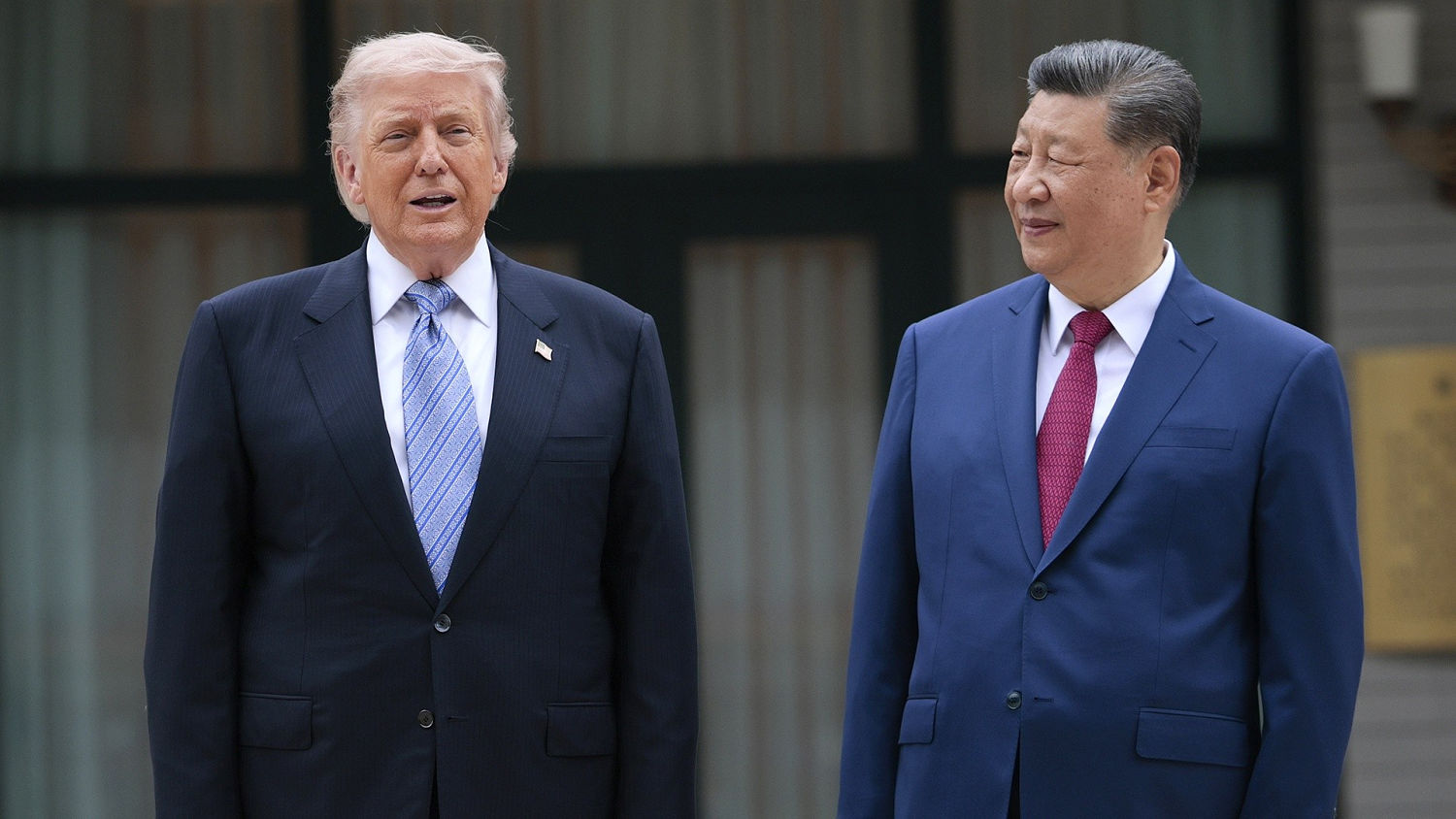
During his Fox News interview, taped during a visit to China, Trump acknowledged that there would be “short-term pain” for Americans as a result of his hardline negotiation strategy. He explicitly stated he was “OK” with higher gas prices if it meant achieving U.S. goals in the Iran conflict. “When you tell somebody you’re going to pay a little more for gasoline for a very short period of time — because we want to stop the threat of being blown to pieces by a lunatic, by a crazy person using nuclear weapons — everybody says that’s fine,” Trump asserted, dismissing the reporter's initial question as “fake.”
He predicted that gas prices would drop swiftly once the blockade is resolved, stating, “Don’t forget, they have a lot of boats that are loaded up with oil that are going to bring the oil out as soon as this is over, and I think it’s going to end fast.”
Expert Analysis and Implications for Americans
Political analysts and foreign policy experts are weighing in on the implications of Trump’s stance. Dr. Eleanor Vance, a professor of international relations at Georgetown University, notes, “President Trump's statements are a classic example of prioritizing perceived existential threats over immediate economic comfort. From his perspective, the long-term security implications of a nuclear Iran far outweigh the short-term impact of elevated gas prices. However, this position inherently creates a tension with the daily realities faced by average Americans.”
For many American households, higher gas prices are not a 'short-term pain' but an immediate strain on already tight budgets. Small businesses relying on transportation, commuters traveling to work, and families planning summer road trips all feel the pinch. The economic ripple effect can be significant, contributing to broader inflationary trends and potentially impacting consumer spending across various sectors.
Political Fallout and the Midterm Elections
The timing of these remarks could not be more critical, with the November midterm elections looming large. Republicans are currently defending slim majorities in both chambers of Congress, and the economic mood of the electorate is often a decisive factor. With gas prices rising and Trump’s approval ratings showing signs of slippage, the GOP is undoubtedly grappling with how to frame the ongoing Iran conflict and its domestic economic impact to voters.
However, Trump was unequivocal that the midterms are not influencing his decision-making on Iran. “I’m not going to let the election determine what’s going to happen with respect to Iran, because they cannot have a nuclear weapon,” he stated. This divorcing of foreign policy from domestic political considerations is characteristic of Trump’s approach, but it creates a challenge for Republican candidates who must face constituents directly impacted by the economic fallout.
As the U.S. navigates these high-stakes negotiations, the balancing act between national security imperatives and economic stability for American families remains a central challenge. The coming weeks will reveal whether Trump’s 'security-first' gamble resonates with the American public, or if the burden of higher prices will ultimately shift the political landscape.


💬 Comments (0)
No comments yet. Be the first to share your thoughts!
Leave a Comment